At the height of the Second World War, the average lifespan of Spitfire fighter planes was just 200 hours. And it was quite common to see aircraft return for maintenance or repair with only 150 hours of flying time.
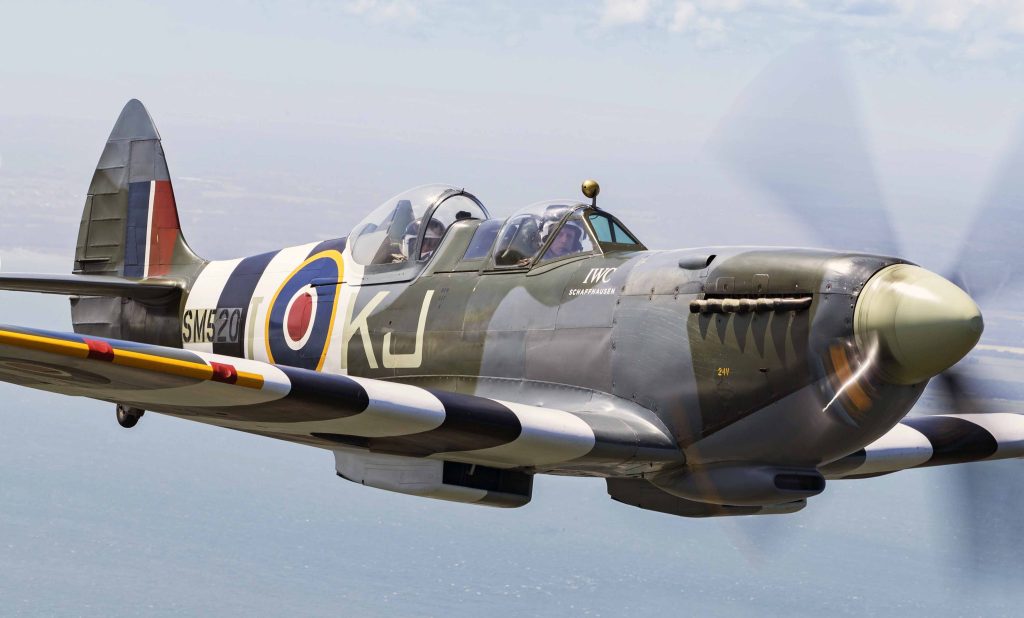
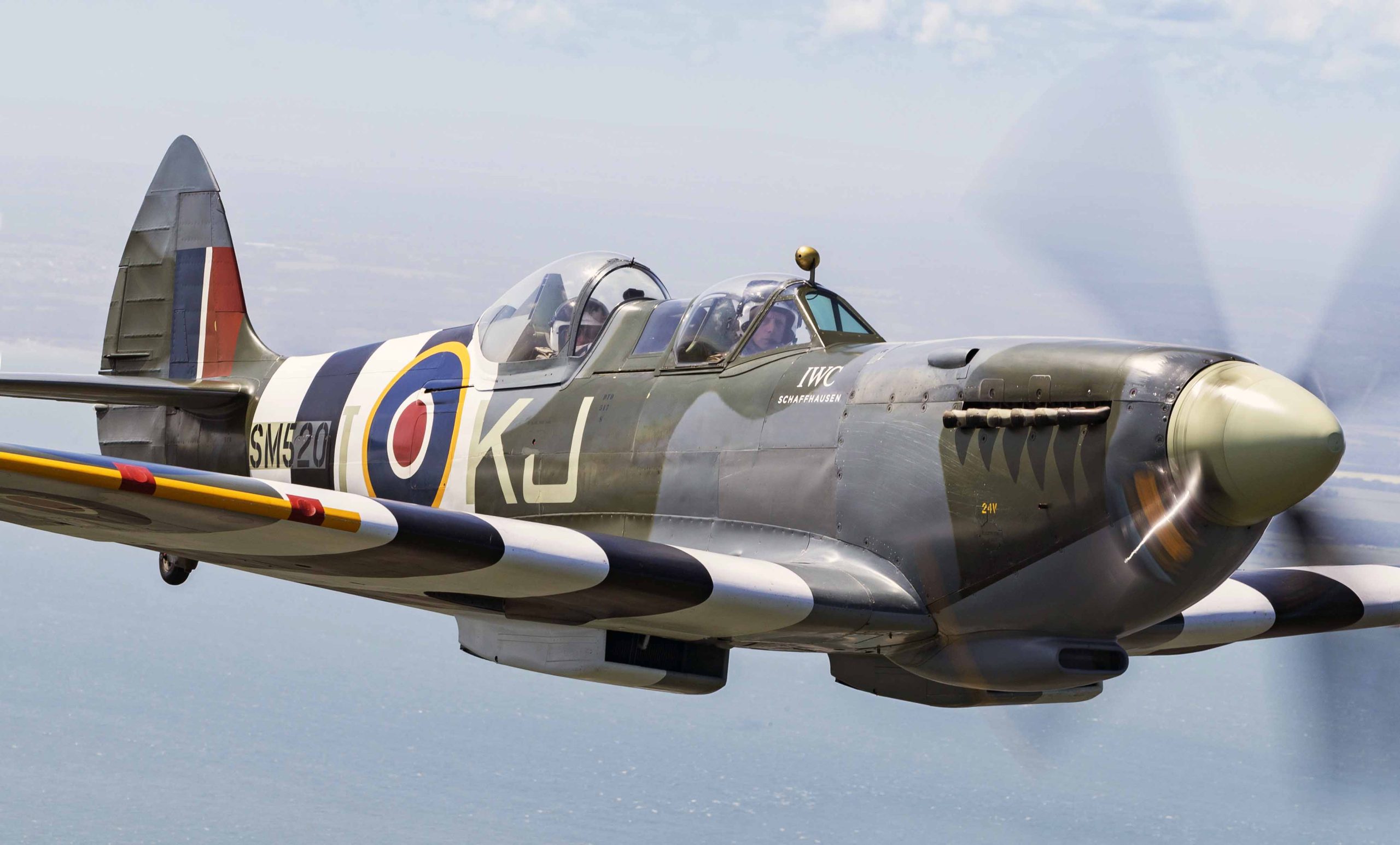
What a surprise it would be for Supermarine to find out that our main Mk IX Spitfire, G-ILDA, is still flying at over 3,000 hours!
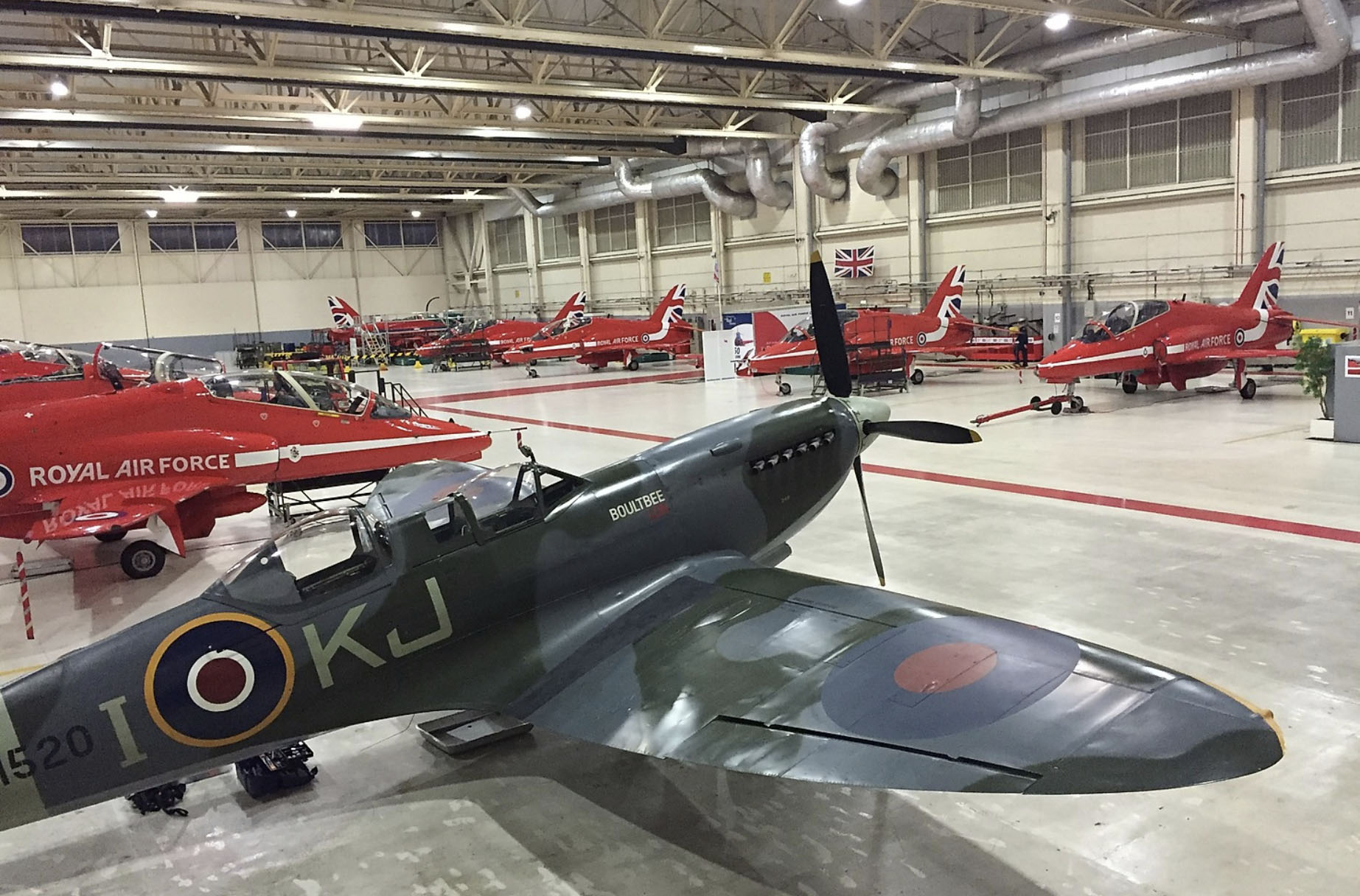
G-ILDA – or Supermarine Spitfire H.F. Mk IXe SM520 (G-ILDA) – was built in the Castle Bromwich factory in 1944 as a single-seat aircraft. But in 1981, it was restored by Spitfire historian Peter Arnold as a Trainer 9 two seater.
There are only around 240 surviving World War II Spitfires across the globe, and of those only around 60 are still airworthy. So we’ve shown G-ILDA a lot of care to extend the aircraft’s operational life and ensure people throughout the UK can book an authentic Spitfire flight.
Of course, G-ILDA hasn’t had to contend with the same fatigue and stress that limited Spitfire aircraft lifespan during WWII. So what was it that made Spitfire service life so short?
Factors affecting Spitfire aircraft lifespan
Combat exposure
Planes involved in heavy combat, long-range missions and ground attack sorties would experience a great deal of stress and damage. Those carrying drop tanks, bombs and other heavy loads would suffer even greater fatigue.
The burden of combat performance had a huge impact on WWII fighter aircraft lifespan, drastically reducing possible flight hours before overhaul was required. And during periods of intense fighting like the Battle of Britain, planes typically remained airborne for just a few hours before they needed attention.
Technological obsolescence
It wasn’t just incredible speed and a hail of bullets that affected the average lifespan of Spitfire fighter planes.
The history of the Spitfire involved many different models and adjustments. And even if older airframes were structurally sound, the invention of newer and more advanced aircraft made them technologically inferior.
Obsolete aircraft were instead transferred to training units to prepare budding new airmen to defend the skies against Axis invasion.
Maintenance and repair
The potential for repair and maintenance was a major contributor to Spitfire aircraft lifespan and operational readiness.
A fighter plane that could be consistently fixed and kept in the skies would live much longer than one that sustained irreparable damage or was too costly to maintain.
Levels of supplies also influenced whether a worn out or damaged airframe was repaired or cannibalised to maintain other planes.
Theatre of operations
Where an aircraft flew from, and to where it was headed, also made a difference to Spitfire long-term survivability.
After all, Spitfires operating off rough strips in the desert would suffer much more than those launching from paved runways on British soil. And if Spitfires were operating in hot or dusty conditions, unfiltered air pulled into the engine would increase the risk of failure.
Learn more about: Flying equipment of a Battle of Britain Spitfire pilot
How long did Spitfire Merlin engines last?
Rolls-Royce stated that their Merlin engines were expected to give 240 hours of life before overhaul.
However, engine life was typically much shorter. And only around 30% of Spitfire Merlin engines reached those numbers.
Early in the war, engines ran on 80 octane fuel. But this caused detonation and internal engine damage at any power setting over 6lbs boost.
Spitfires also featured War Emergency Power, a system that gave Merlin and later Griffon engines a short burst of intense speed by overboosting the engine.
This was crucial for dogfights, escapes or interception. But it significantly shortened engine lifespan.
Some sources noted that average combat life could be as short as 7 hours, with engines failing after 50-60 hours of use in extreme cases.
Nowadays, we fly our Spitfires using 100 octane low-lead (100LL) fuel. This allows for even higher power outputs without the risk of knocking or detonation.
And while it’s not an exact match for wartime fuels, 100LL is within the octane requirements for Spitfire Merlin engines. So you can enjoy a fast and safe flight in a well-kept aircraft!
Fly while you can in an authentic WWII Spitfire
At Spitfires.com, our Civil Aviation Authority-approved maintenance team keeps all our aircraft in exceptional shape. And our highly experienced crew operate them well within their design limitations to extend life expectancy.
That’s why G-ILDA has stayed up in the air for more than 3,000 hours, giving over 8,000 people the adventure of a lifetime. And we encourage all aviation enthusiasts, history lovers, thrill seekers and others who crave unique experiences to give it a try!

Comments