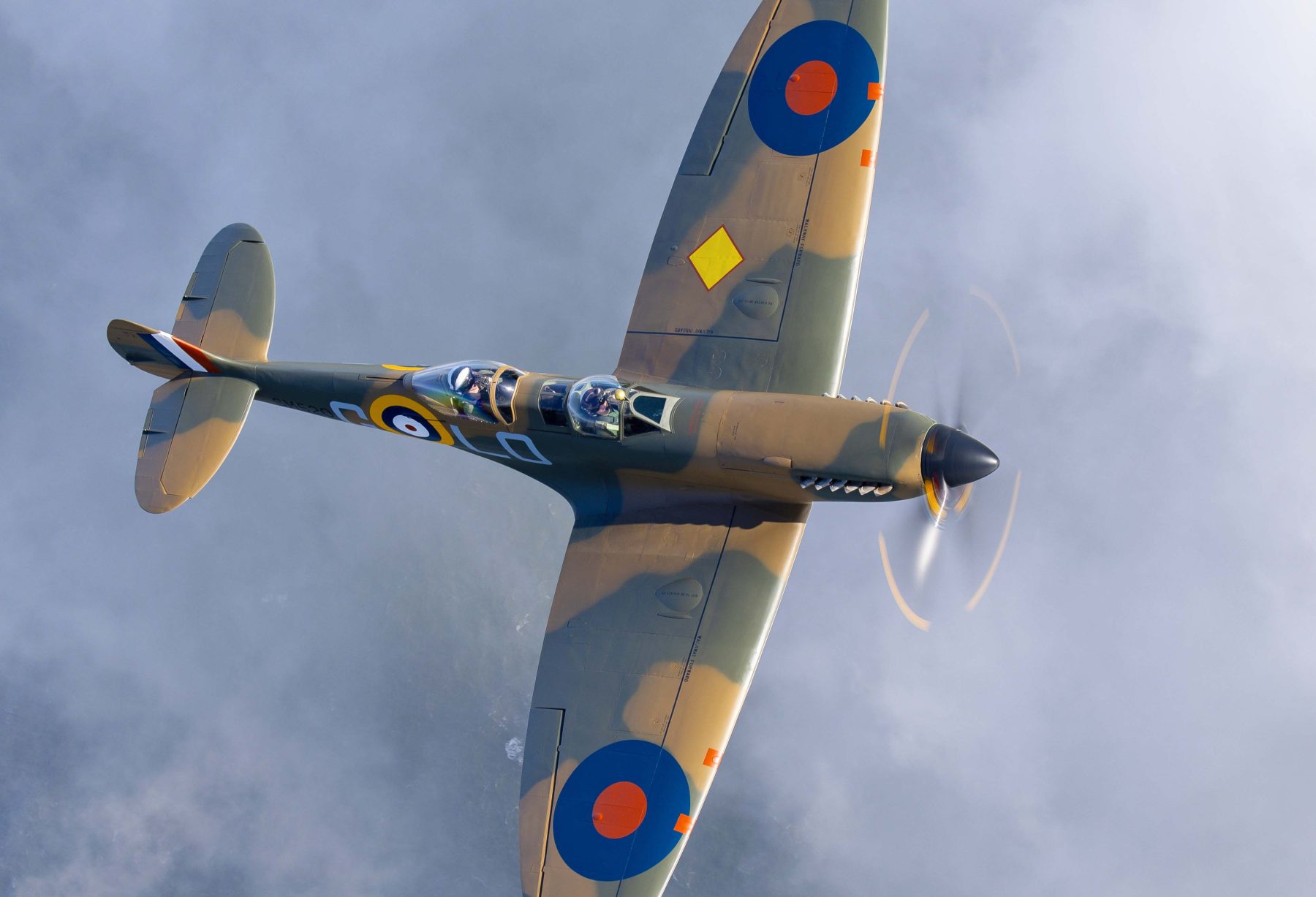
Fly in a Spitfire TR9 – SM520
(G-ILDA)
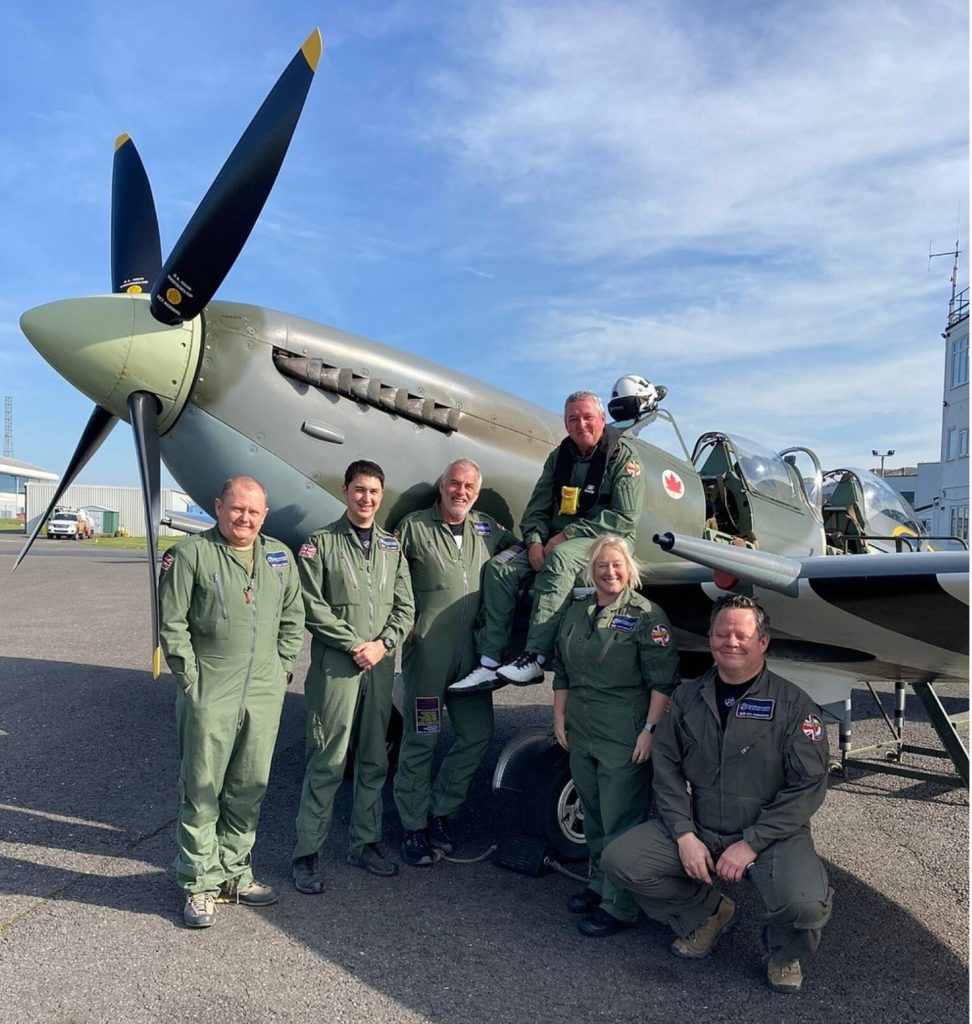
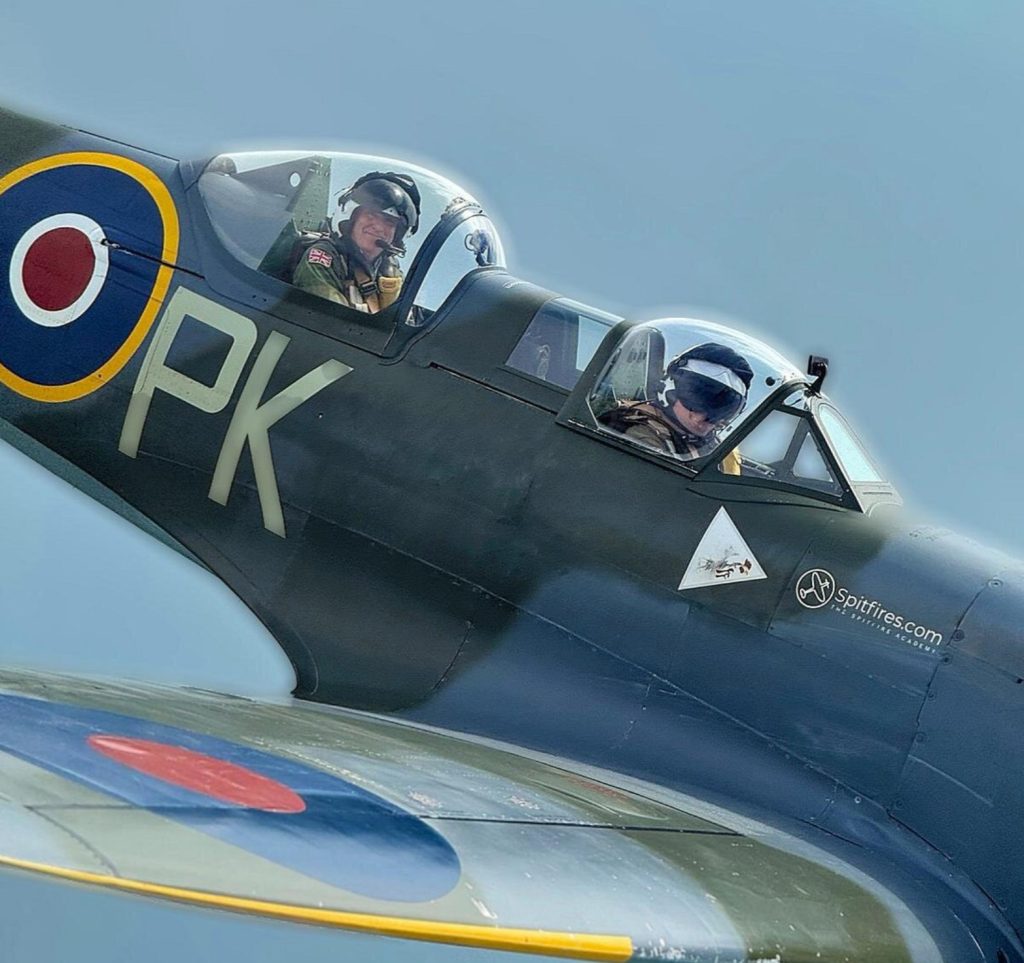
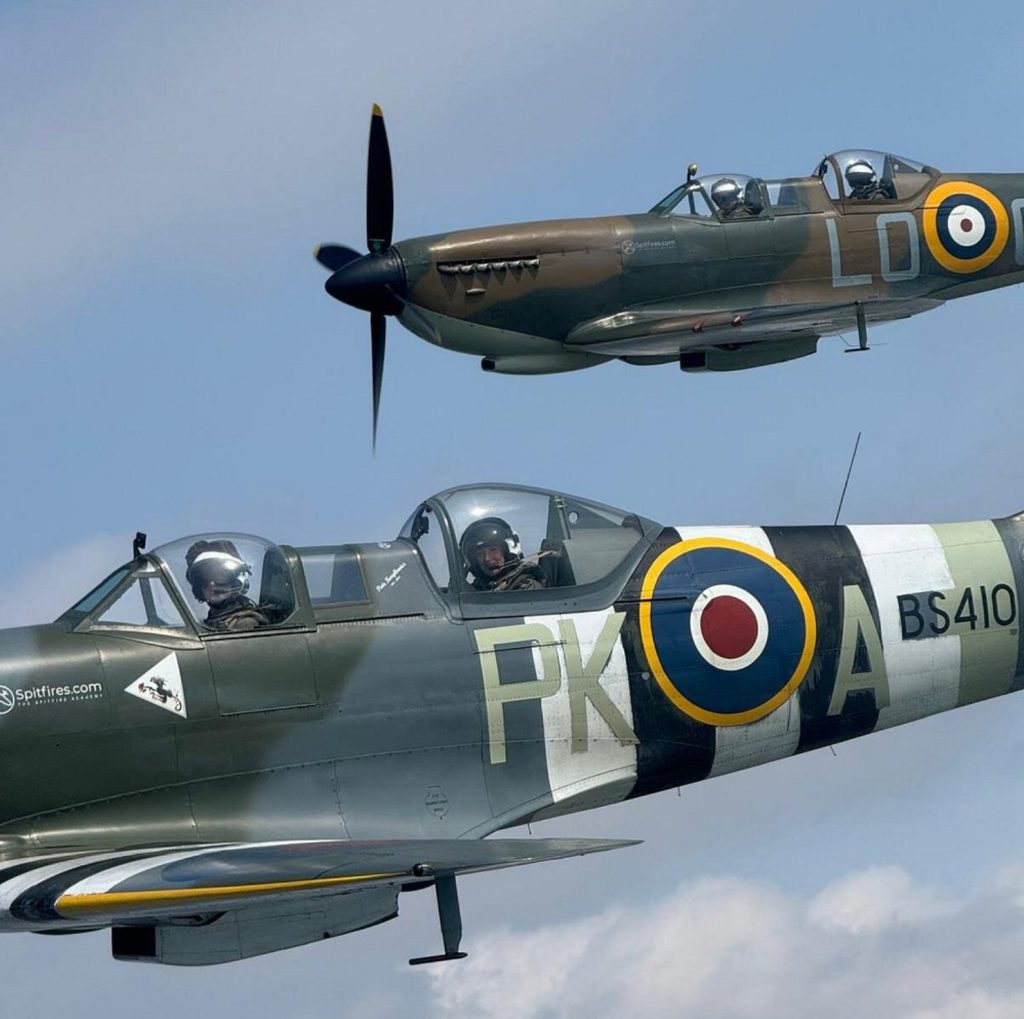
Take the controls of SM520, a two-seater TR 9 conversion for a late-war Mk H.F.IXe warbird with international aviation history.
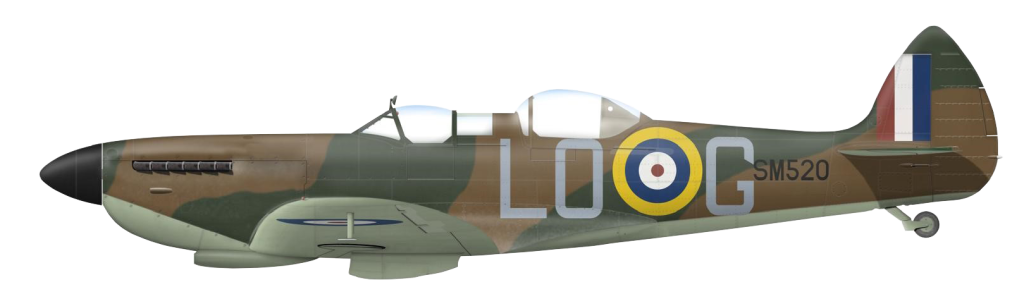
Specifications
This high-flying Mk IX variant was designed to operate above conventional air combat zones, supporting Allied air operations in the last year of the war.
The history of the TR9 – SM520 (G-ILDA)
- 1944: Built in the Castle Bromwich factory as a single-sear Mk H.F.IXe fighter with firewall construction number CBAF 10164
- 23 November 1944: Delivered to the RAF at 33 Maintenance Unit at RAF Lyneham, but stored due to the winding down of the European conflict
- 1948: Transported to the South African Air Force (SAAF) as part of a batch of 136 Spitfires, 80 gifted and the rest sold by the UK Government for £2,000 each
- 1948-1981: Likely used for training by Bombing, Gunnery, Air Navigation and Air Operation schools to prepare pilots en route to Korea to operate with the SAAF P-51 Mustangs. Damaged in a major flying accident and recovered to AFB Ysterplaat, later scrapped at SA Metals in Cape Town
- 1981: Transferred to the SAAF Museum store compound at Snake Valley and identified as SM520 by Spitfire historian Peter Arnold
- 2002: Purchased by Paul Portelli, who commissioned a restoration and TR 9 two-seat conversion. Air Assemblies converted the fuselage and built the wings, while Classic Aero undertook the fitting out of the project. Registered as G-ILDA after Paul’s grandaughter
- 2009: After Paul’s untimely death, SM520 was auctioned at Bonhams and bought by Spitfires.com
- Post-2009: Initially delivered in Royal Netherlands Air Force colours, later repainted in WWII South African Scheme as recommended by world renowned Spitfire historian Peter Arnold
- 2010: Painted as KJ-I in honour of the first ever two-seater Spitfire
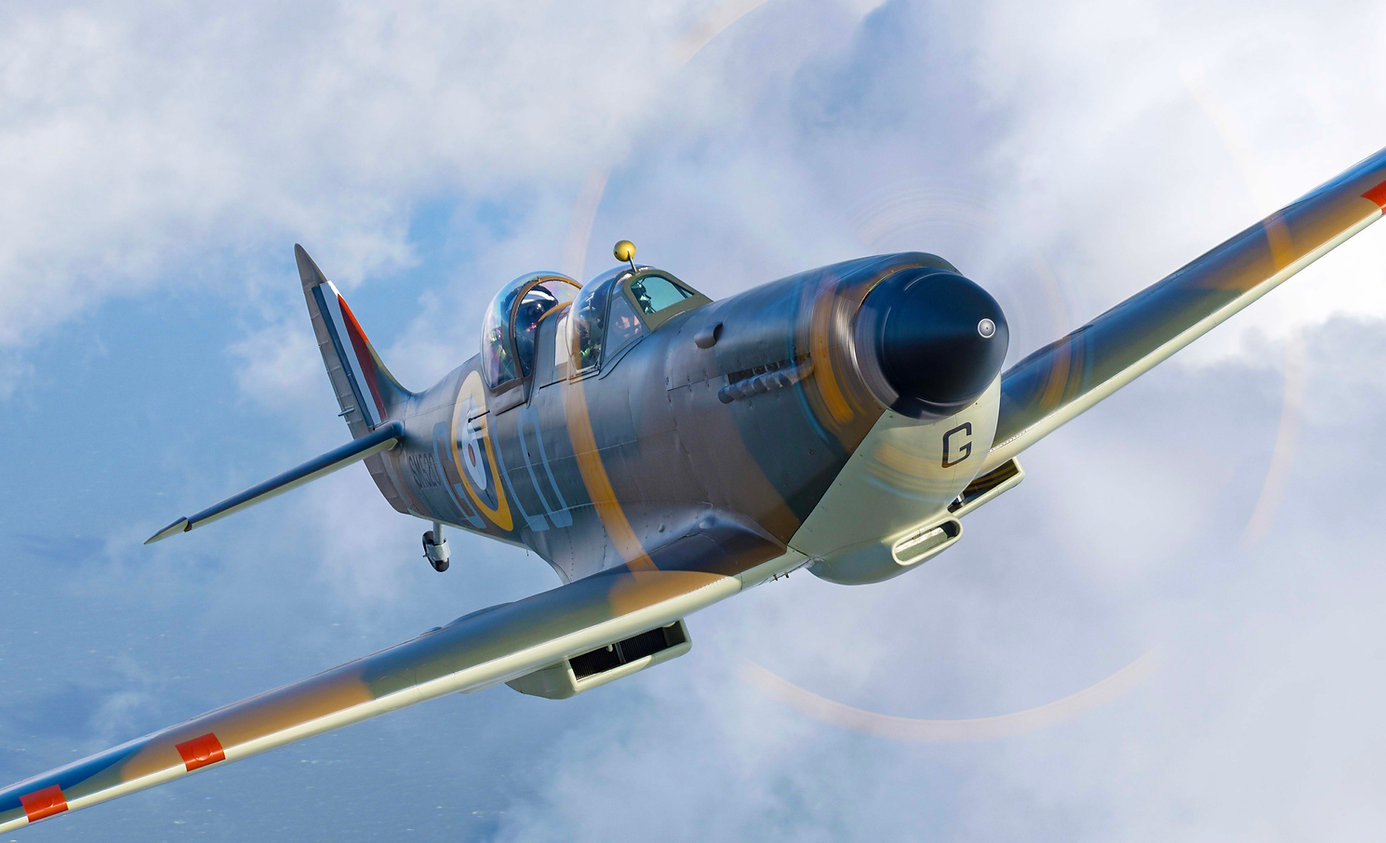
- January 2024: Repainted again in the markings of LO-G, a No. 602 Squadron Spitfire flown during the Battle of Britain by Nigel Rose and other RAF pilots, in honour of our homebase Goodwood Aerodrome in West Sussex
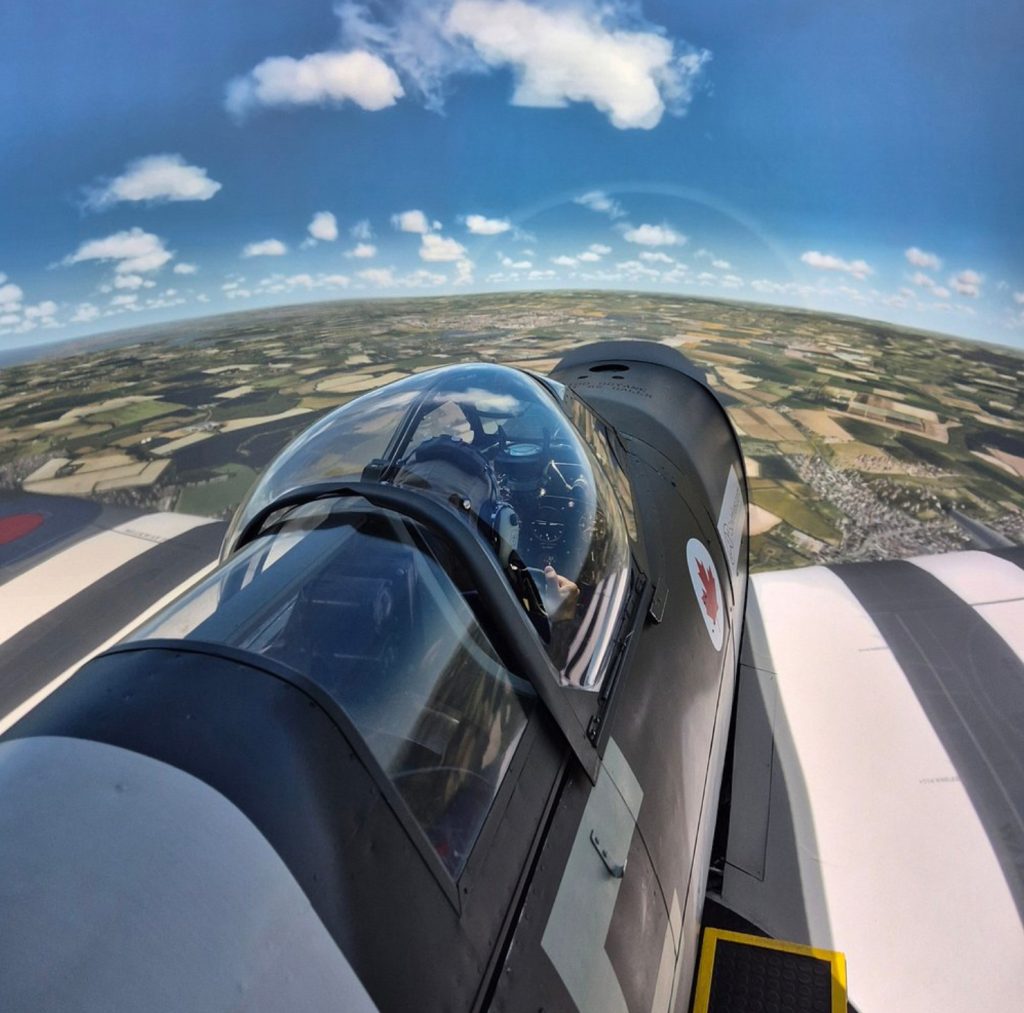
- Present day: Operated by Spitfires.com, offering immersive passenger flights that peer out over a Battle of Britain-painted brown and green camouflage Spitfire wing
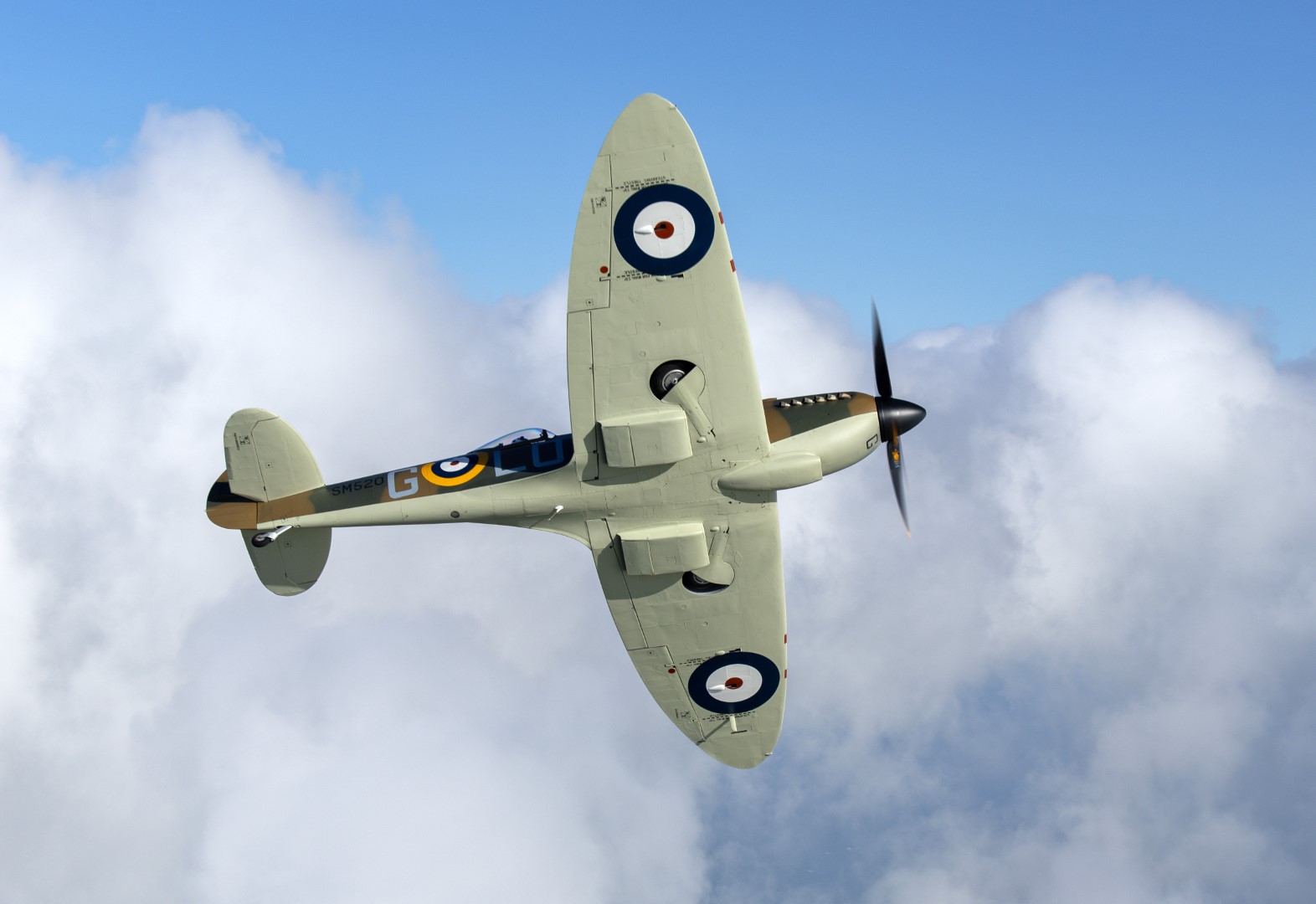

Converting the SM520 into a TR9
A few Spitfires were converted into two-seater TR 9s during the war. But most were produced as part of a postwar programme:
- 1946: Vickers converted a Mk VIII, MT818, as a demonstrator
- 1948: 10 Spitfire TR 9 aircraft were delivered to India, 3 to the Netherlands and one to Egypt
- 1951: A further 6 Mk IX airframes were converted into TR9 trainers to support the Irish Air Corps (IAC)
With their four .303 Browning machine guns, these aircraft supported both flying instruction and gunnery training. Most TR 9s were later assigned to the technical training school at Baldonnel, where they were used to train apprentice aircraft engineers. Four of the IAC aircraft still exist today.
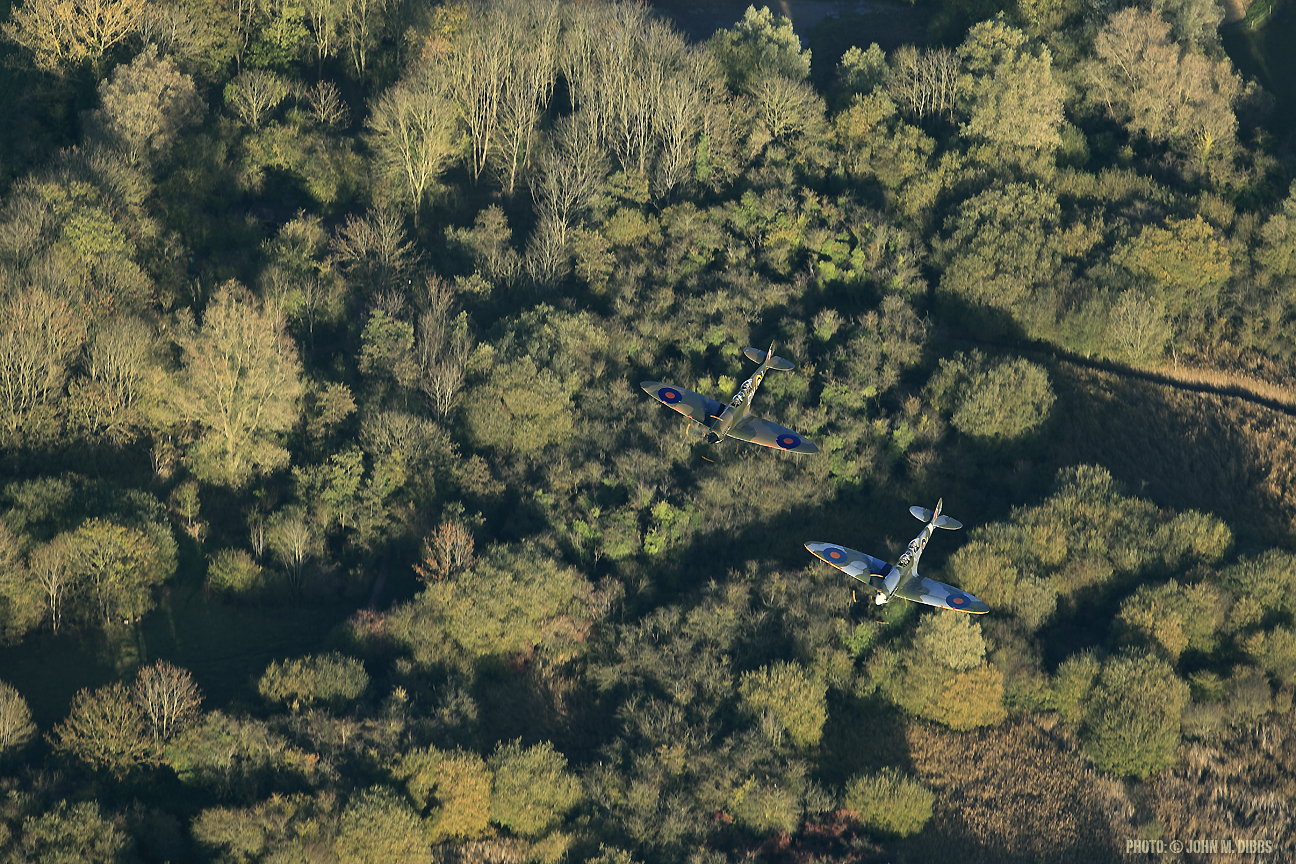

Spitfire Flight Reviews
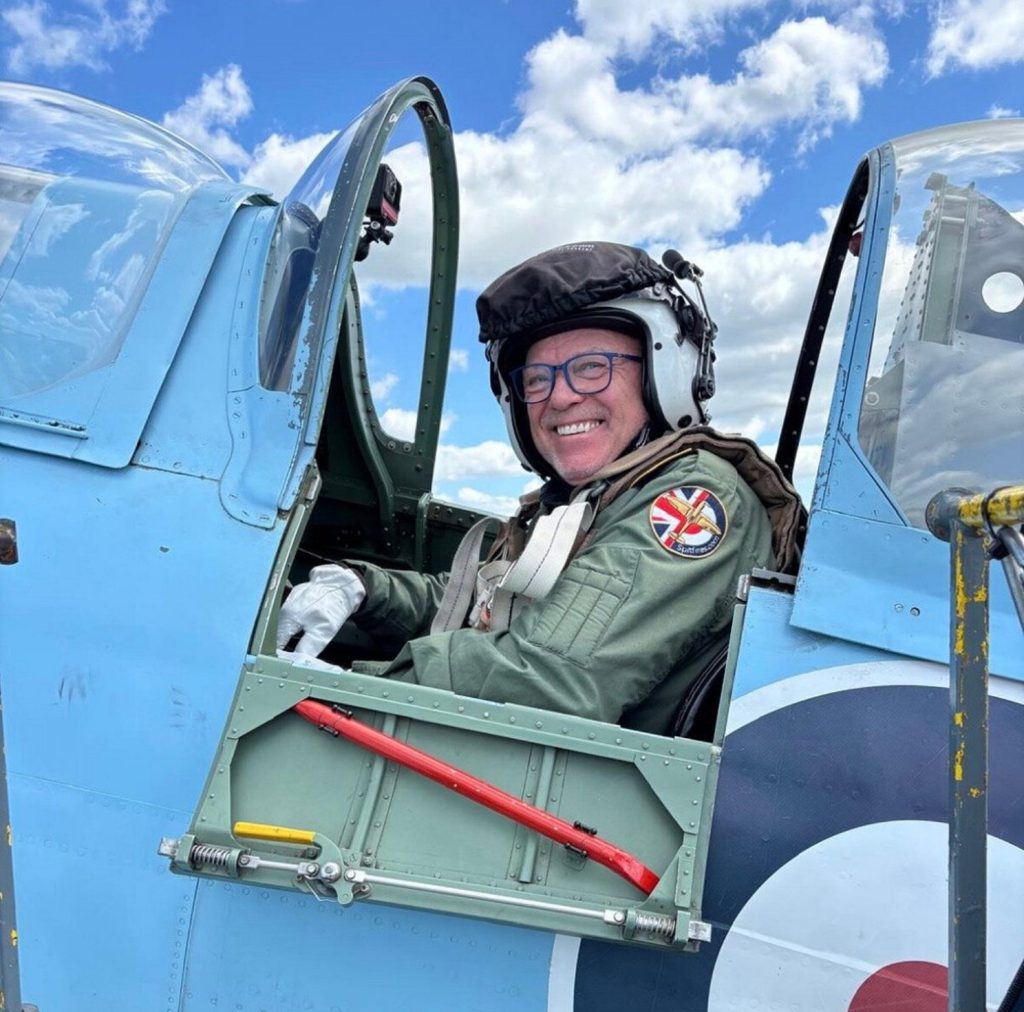
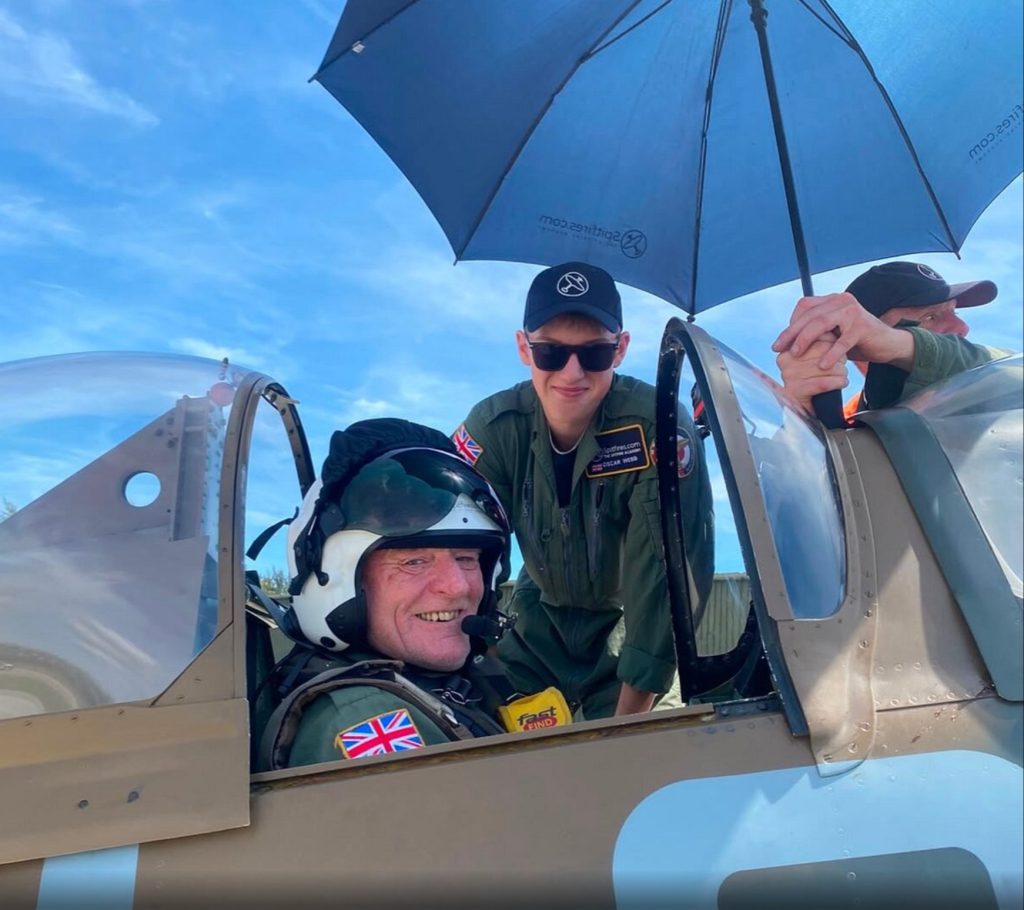
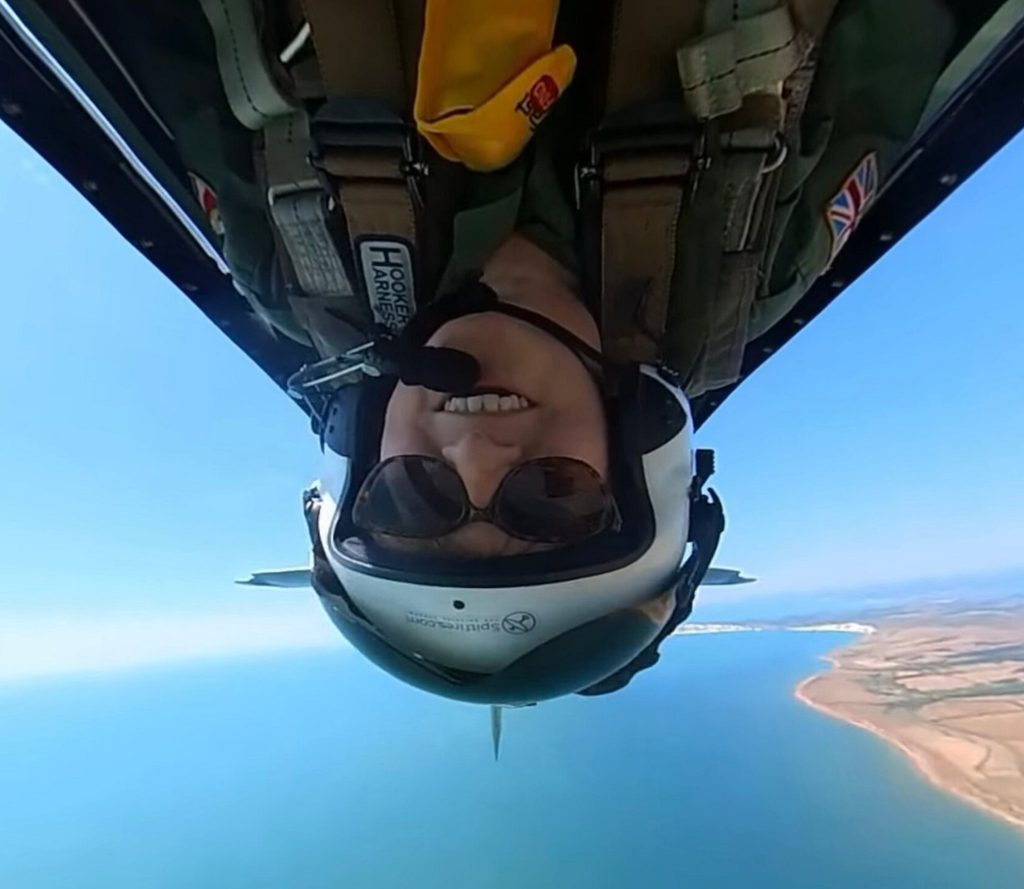
See why people return to earth smiling after every single Spitfire flight.
Where can I fly the Spitfire TR 9 – SM520?
You can fly the Spitfire SM520 from any of our 10 airbases across the UK, Wales and Scotland, each with their own unique ties to World War II.
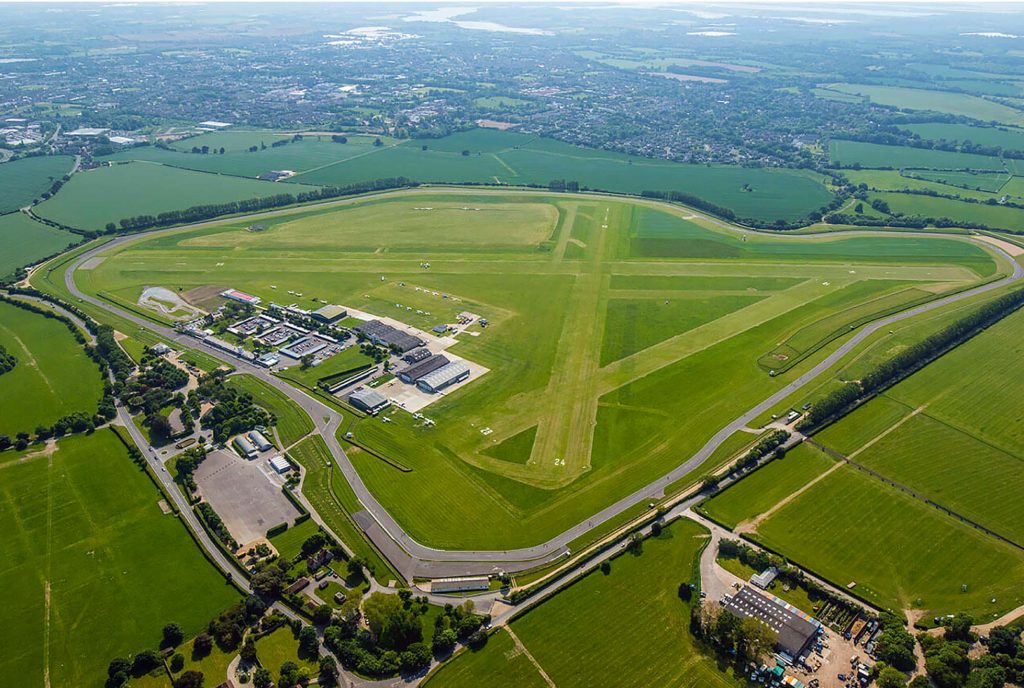
Goodwood
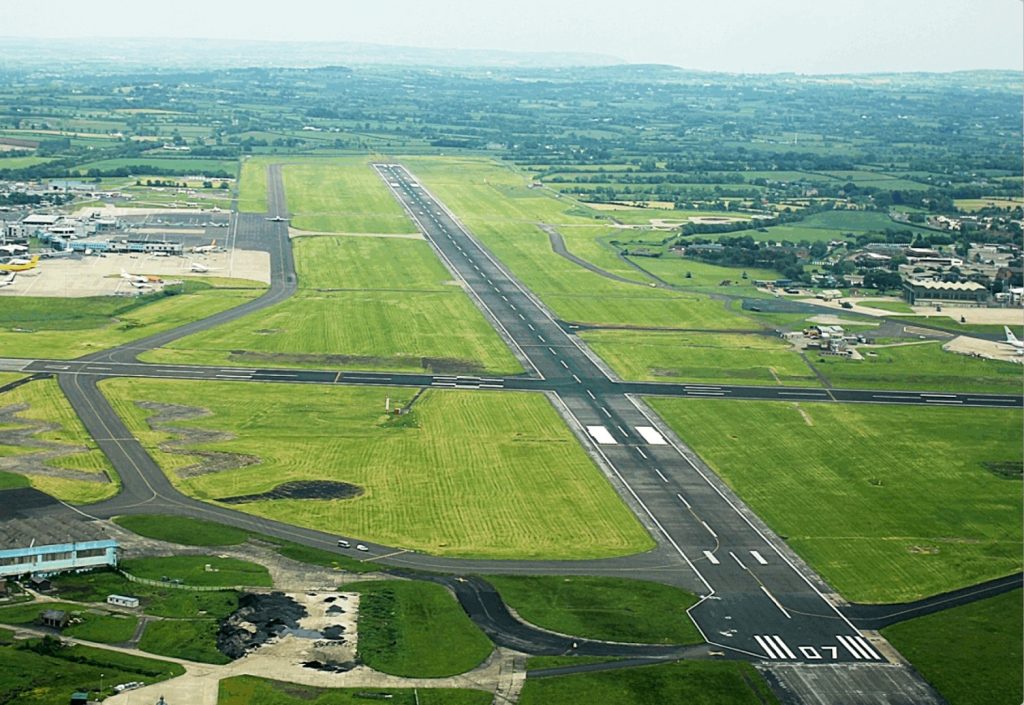
Belfast
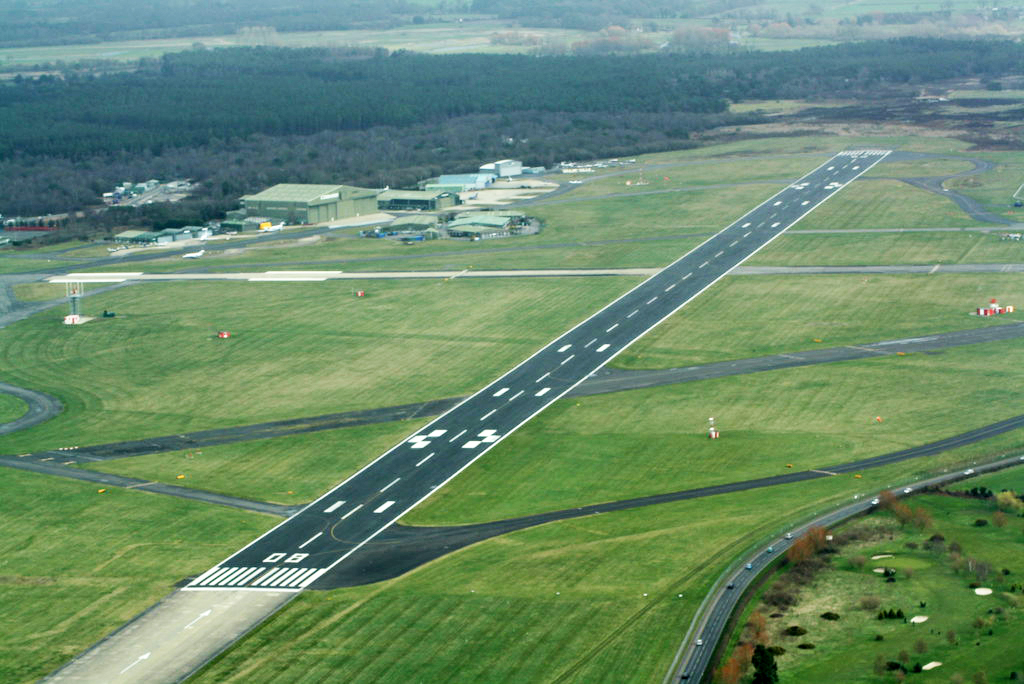
Bournemouth
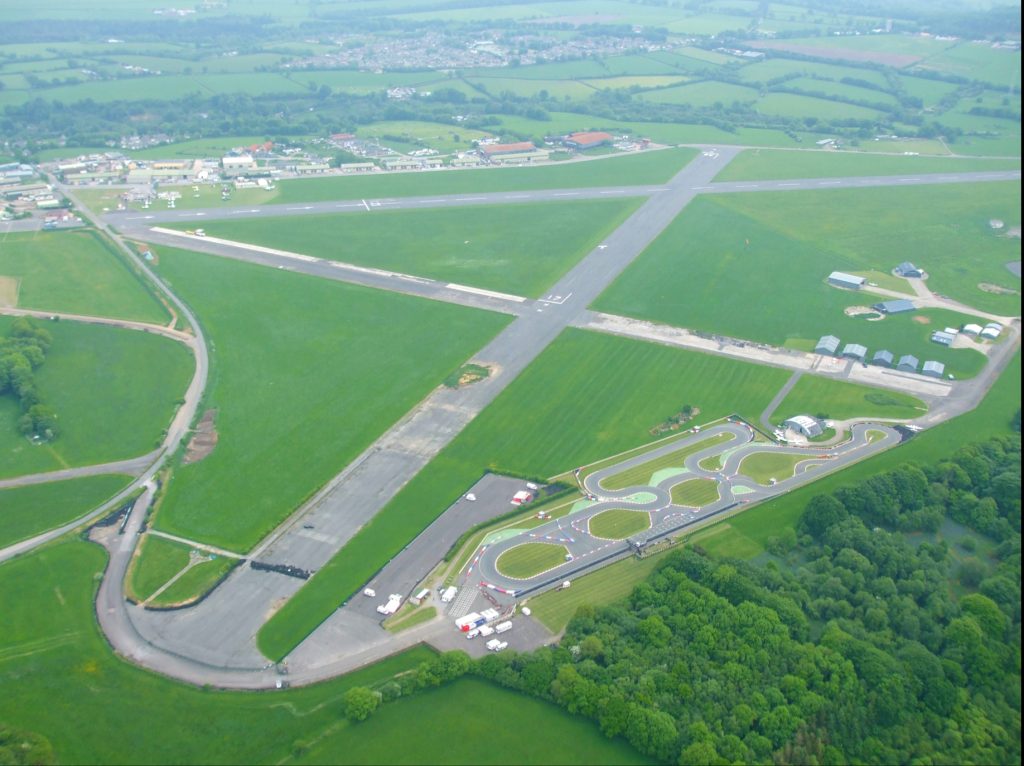
Dunkeswell
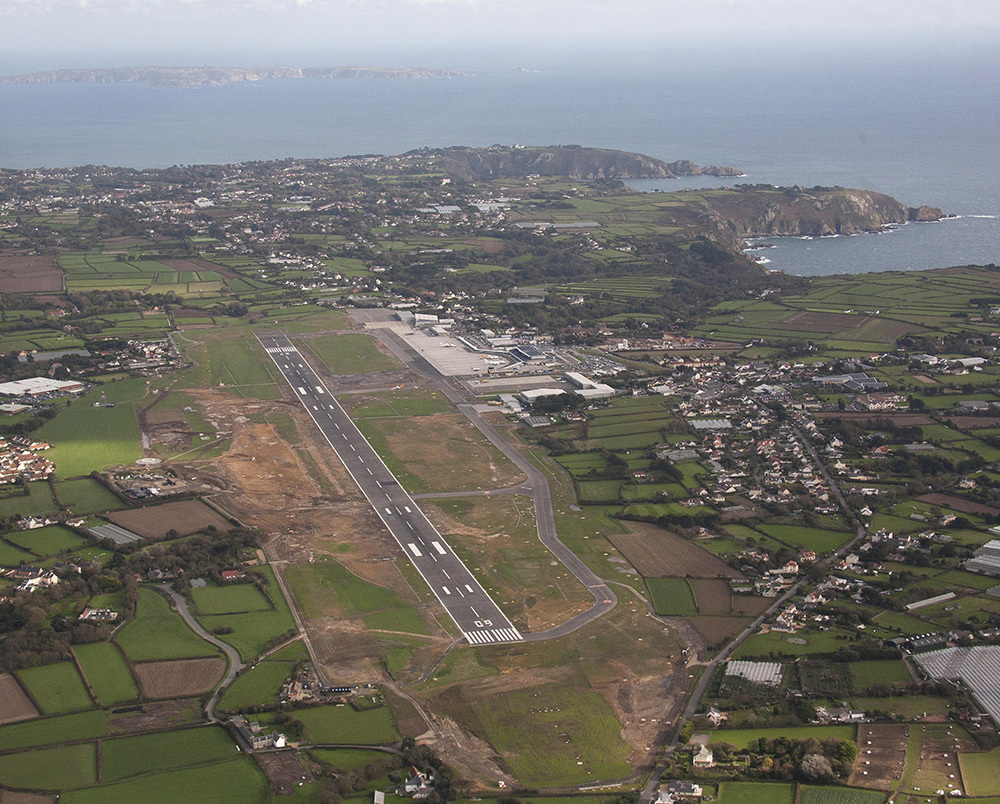
Guernsey
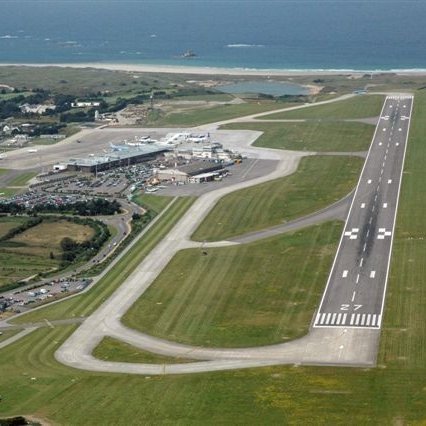
Jersey
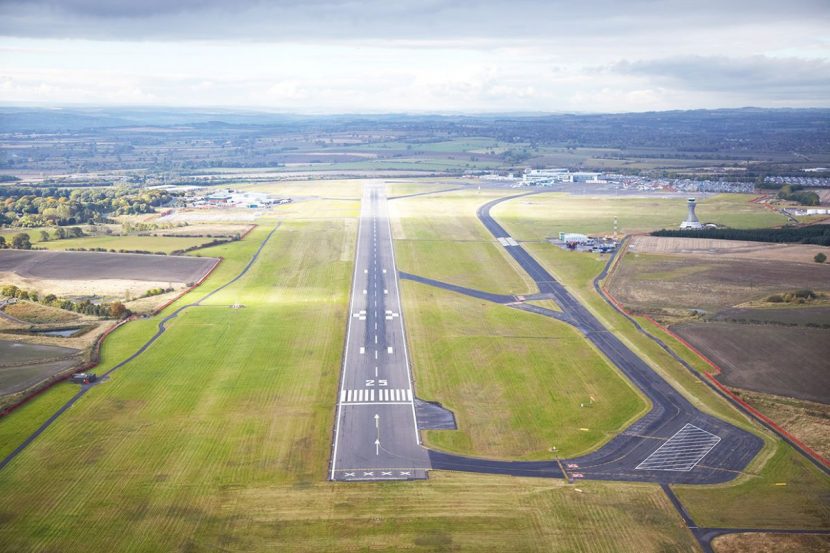
Newcastle upon Tyne
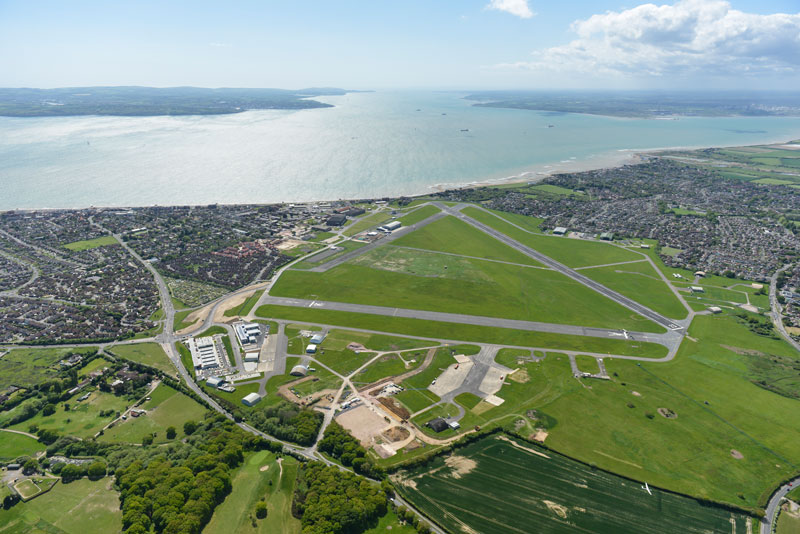
Lee-on-Solent
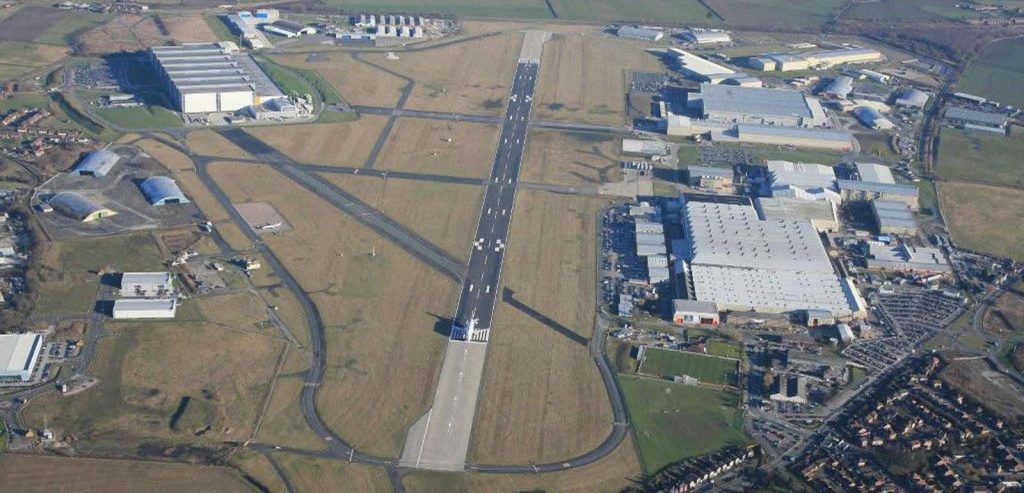
Hawarden
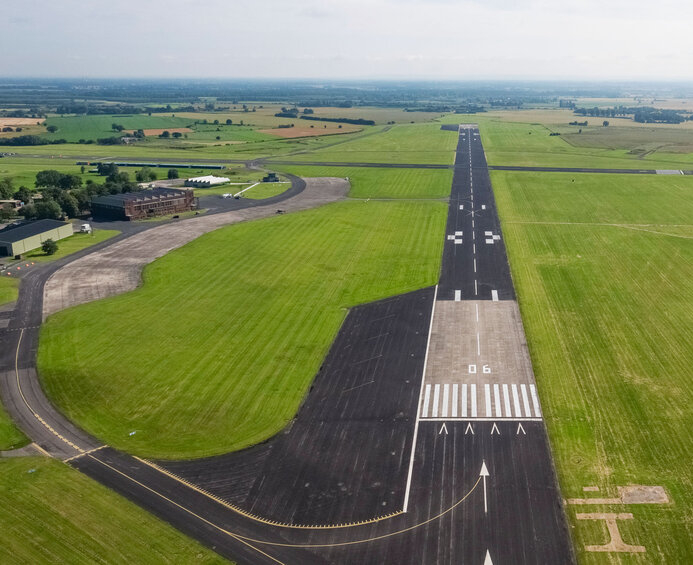
Leeds East
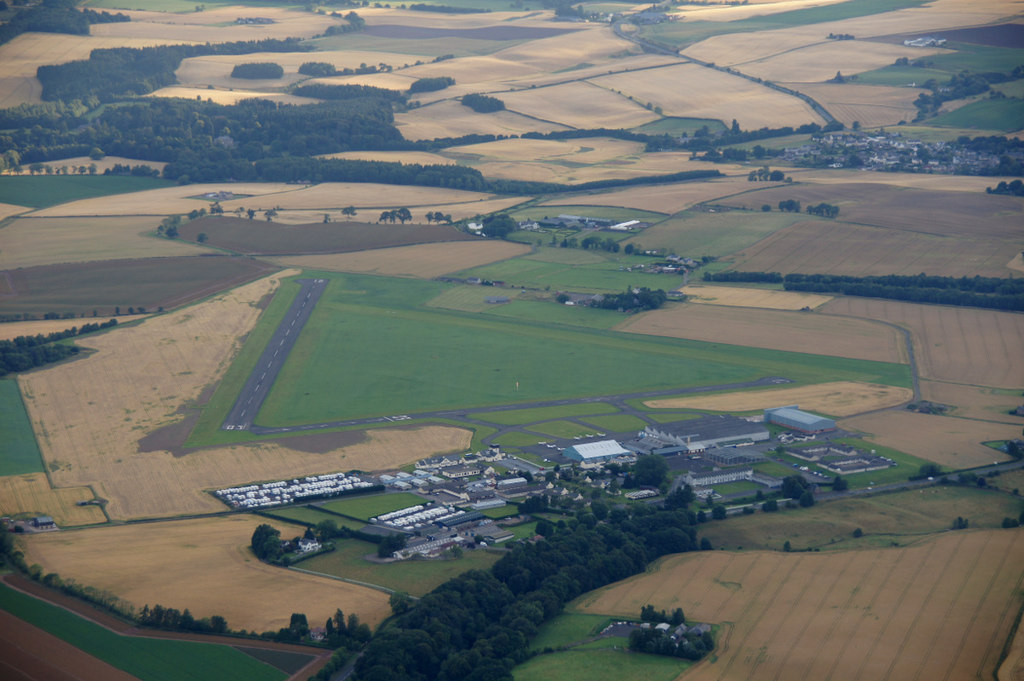
Perth
Book your Spitfire flight experience
Give yourself a story that few ever get to tell.