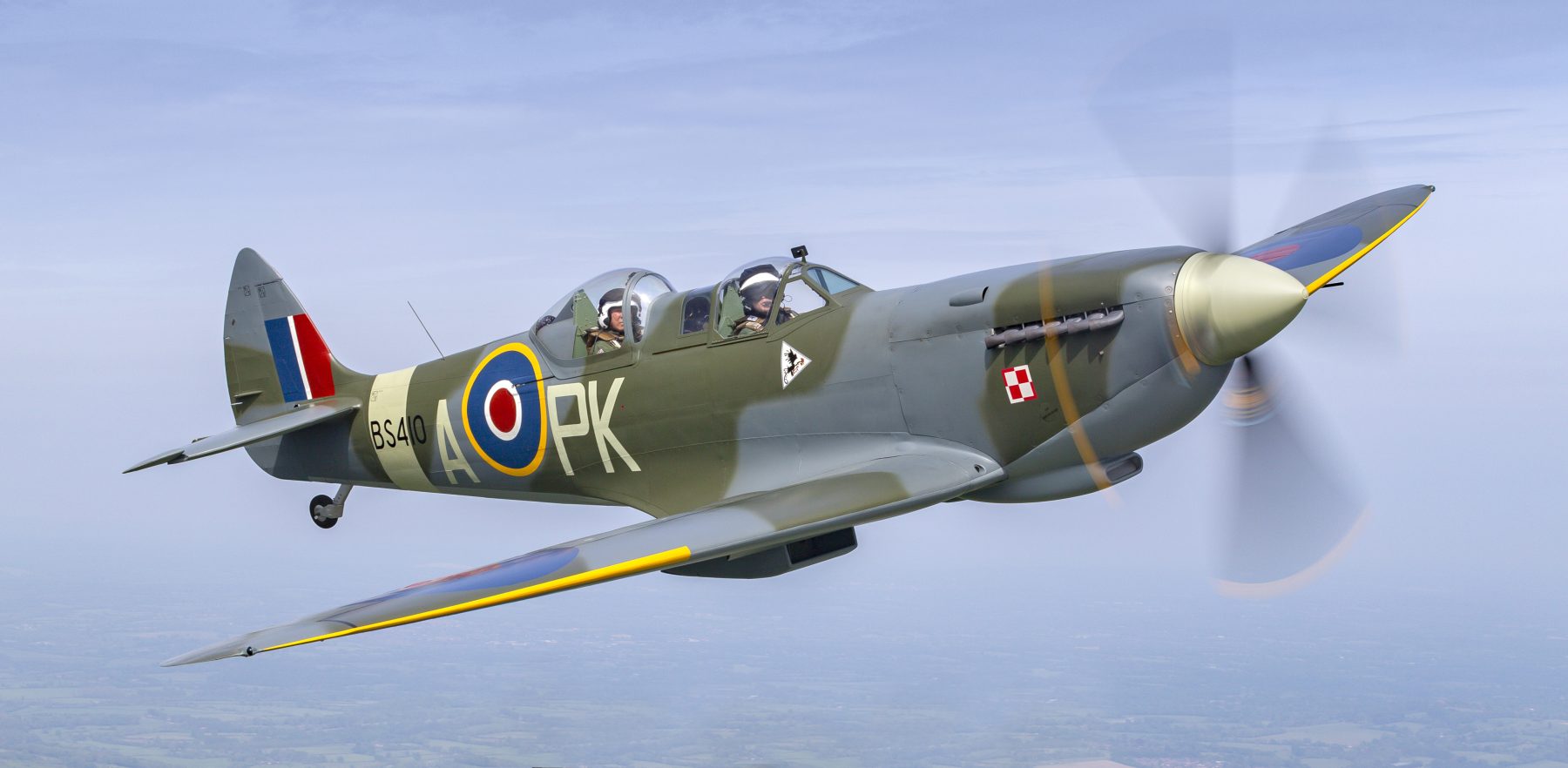
Fly in a Spitfire TR9 – BS410
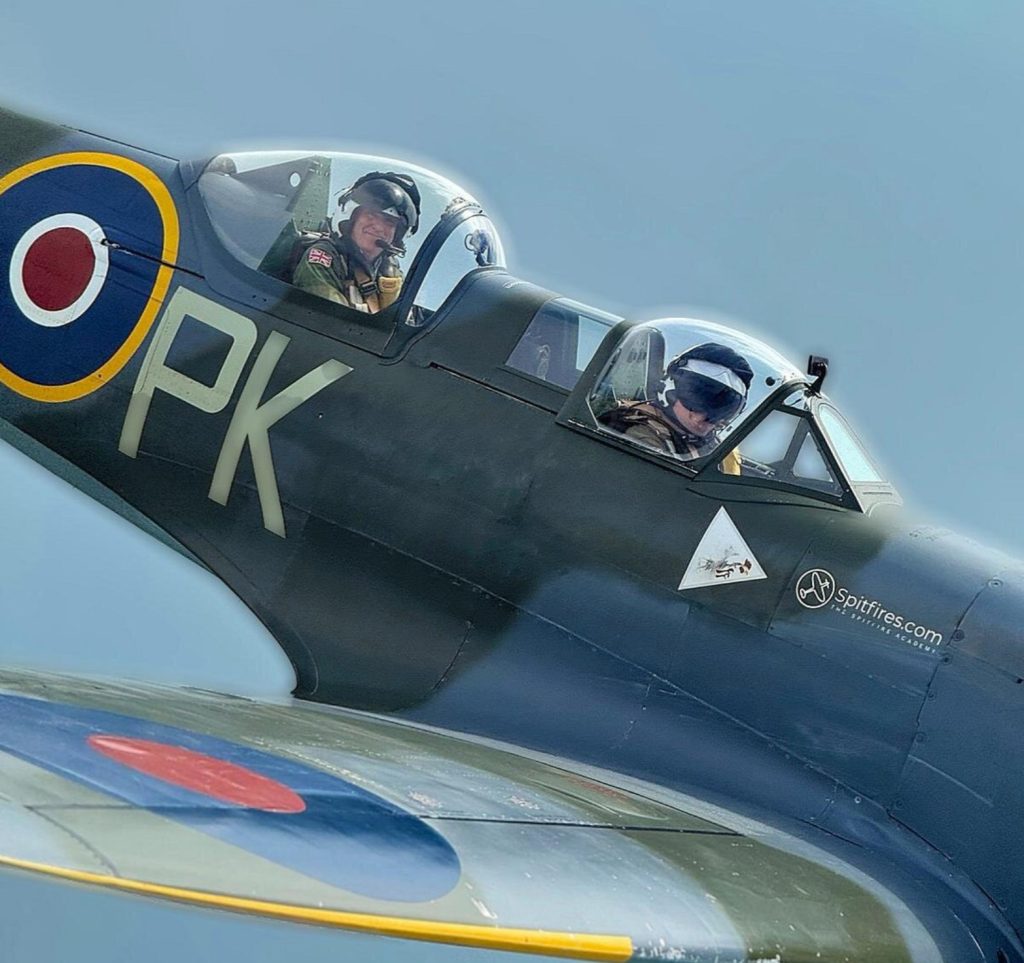
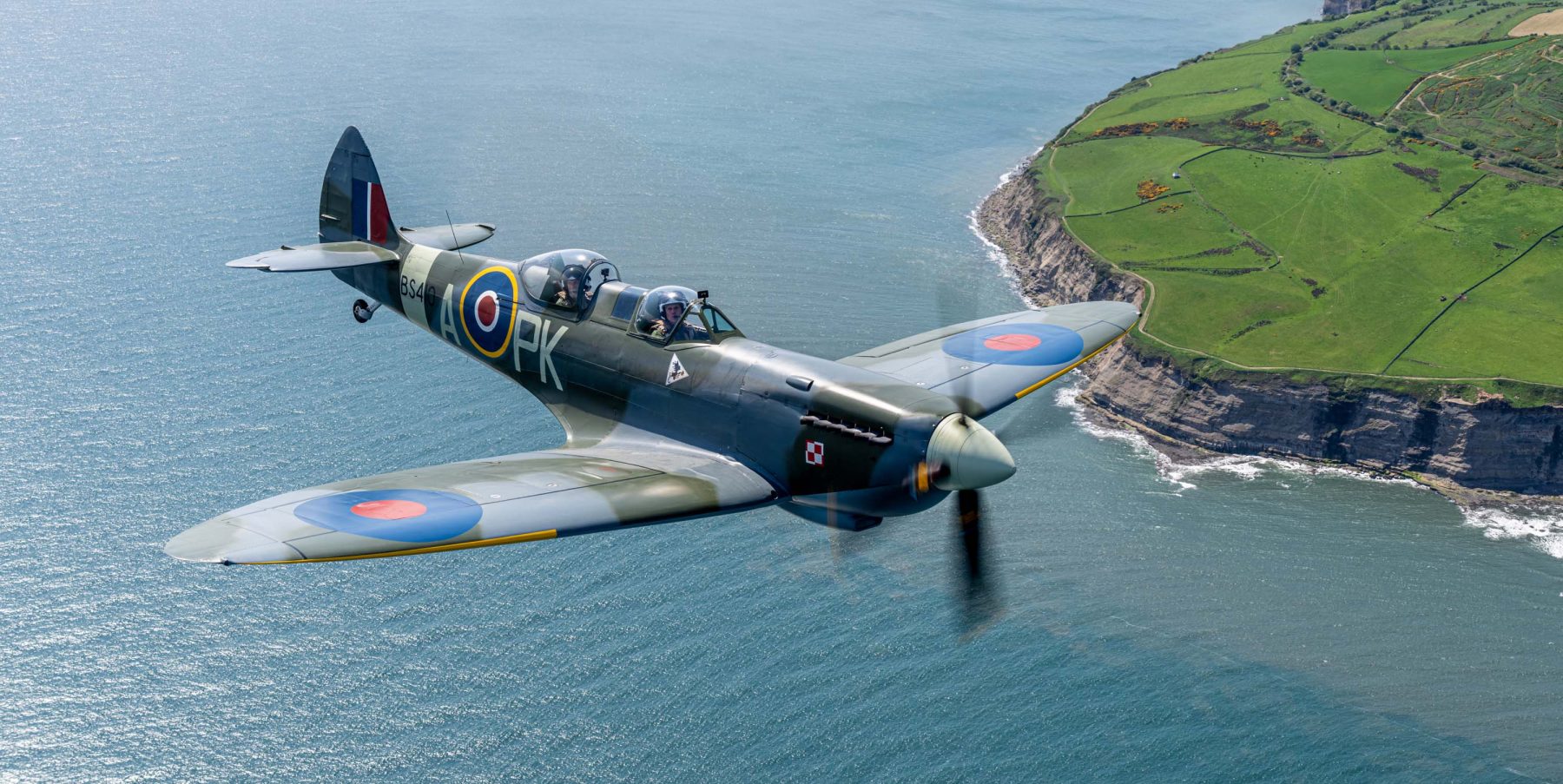
BS410 is a genuine WWII combat aircraft flown by famed Polish aces, now restored to the skies to offer passengers an extraordinary link to history.
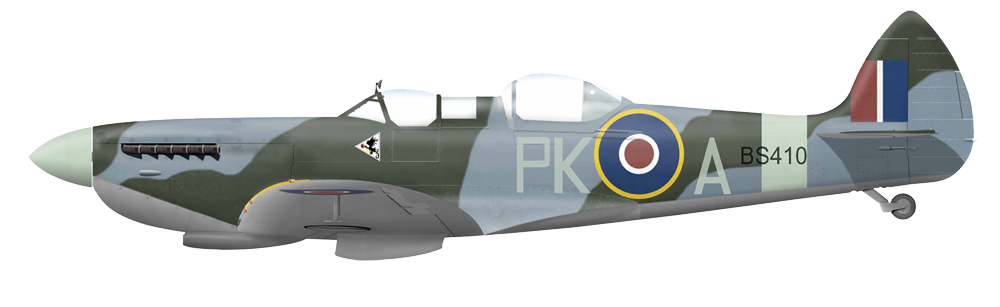
Specifications
Originally built for high-altitude combat, BS410 supported Allied missions over occupied Europe with blinding speed, immense strength and razor-sharp agility.
The history of the Spitfire TR9 – BS410 (G-TCHI)
- 24 October 1940: BS410 was ordered from Vickers Armstrong (Supermarine) as part of a batch of 1,100 F.I aircraft,later built at Salisbury as a Merlin 61-powered F.IX in batch BS383–411
- 28 October 1942: Final assembly at Chattis Hill, from where BS410 made its first flight
- 6 November 1942: Allocated to No. 315 (Deblin) Polish Squadron based at RAF Northolt
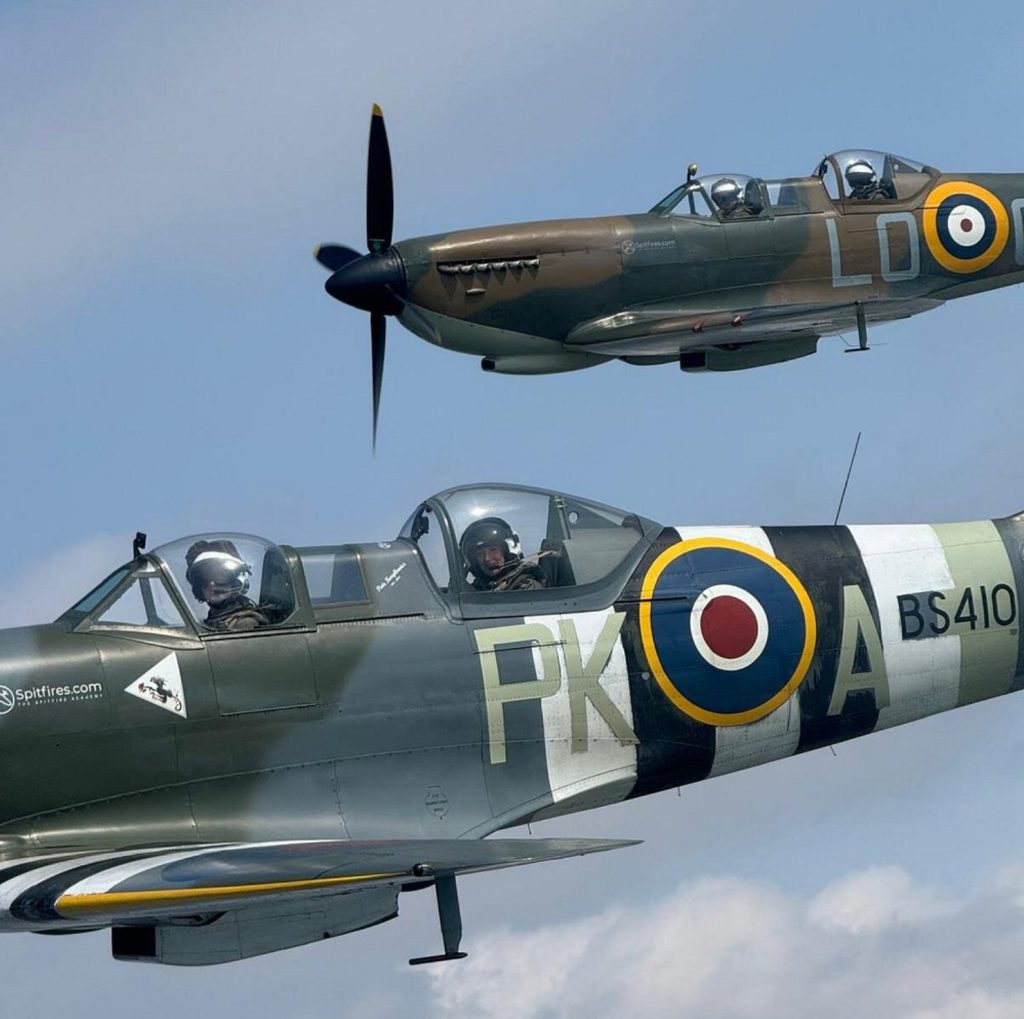
- November 1942 – April 1943: Carried squadron code PK-E, changed to PK-A by mid-April
- 27 February 1943: Flew a patrol over Wembley Stadium during the England vs. Wales football match, piloted by Pilot Officer Blok
- March 1943: Sent to Air Service Training at Hamble to have a camera gun fitted in the starboard wing root before returning to No. 315 Squadron at Northolt
- 13 May 1943: Abandoned by pilot Piotr Kuryllowicz, who bailed out after the cooling system was damaged during combat
- 2005: Excavated by Association Somme Aviation 39–45 from its crash site and purchased by Martin Phillips of Exeter
- 2005 – 2020: Underwent a 15-year restoration and conversion to a two-seat TR 9 variant
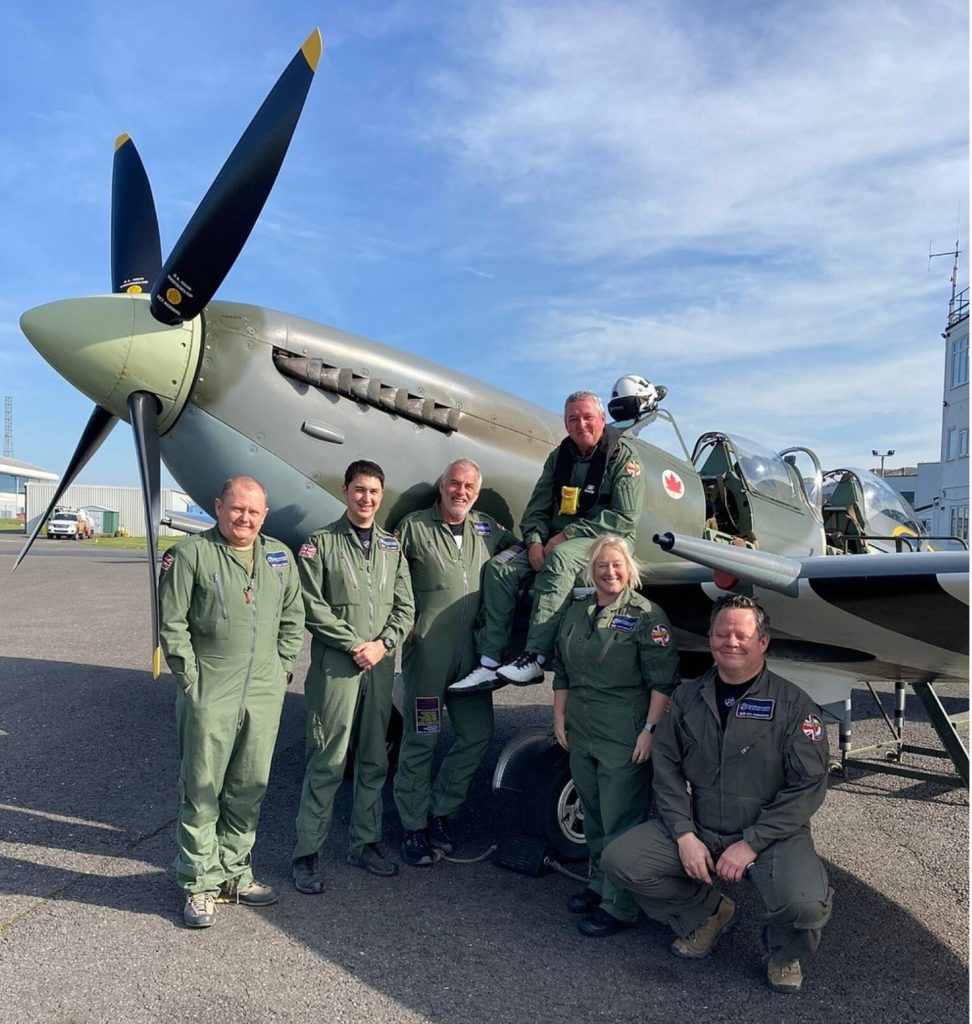
- Present day: Operated by Spitfires.com, providing unforgettable guest experiences and pilot training alongside her sister aircraft
BS410 flew 35 operational sorties with No. 315 Squadron, including Ramrods, Rodeos, Circus and escort sorties. She was also flown by a number of well-known Polish Battle of Britain pilots and aces.
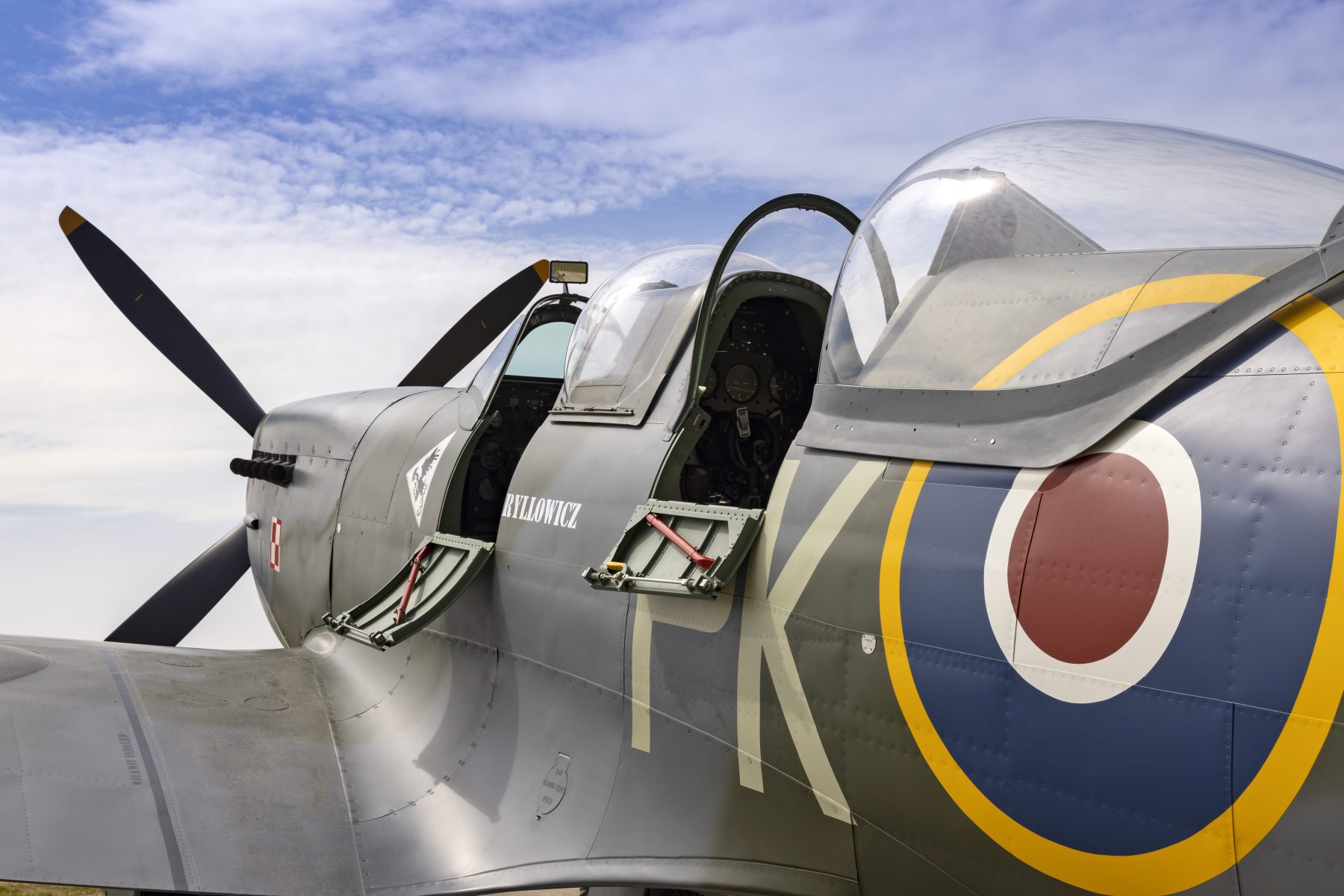

Converting the Spitfire into a two-seater TR9
Only a small number of Spitfires were converted into two-seat trainers during World War II. Most conversions took place in the years that followed as part of a dedicated postwar programme:
- 1946: Vickers produced its first trainer from a Mk VIII, used as a demonstrator
- 1948: 10 Spitfire TR 9 aircraft were supplied to India, 3 to the Netherlands and one to Egypt, all to support advanced pilot training
- 1951: 6 more MK9s were modified into TR 9 trainers for the Irish Air Corps (IAC)
Equipped with four .303 Browning machine guns, these aircraft were used for both flight and gunnery instruction. Eventually, most TR 9s were transferred to the technical training school at Baldonnel, where they served as educational airframes for apprentice engineers. Four of these IAC trainers survive today.
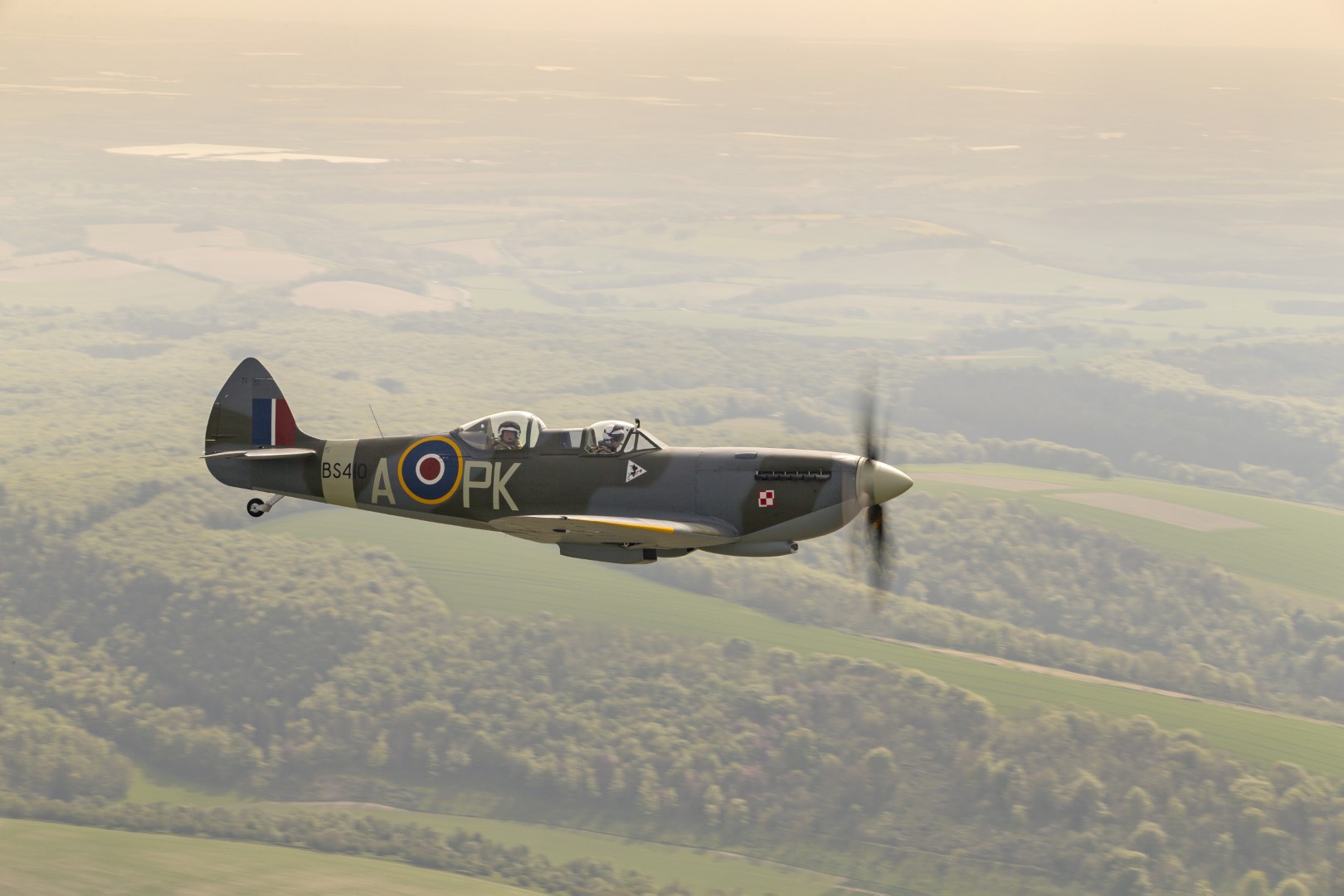
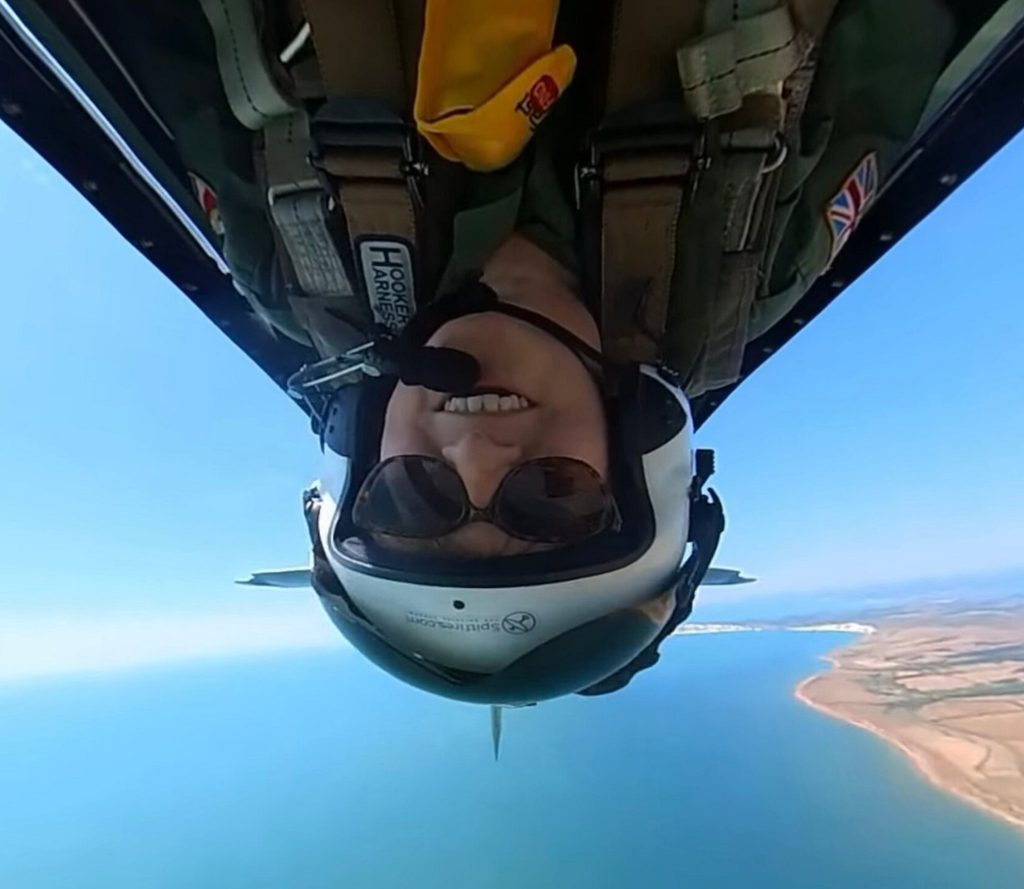
Spitfire Flight Reviews
Take a look at the legacy we’re building, one flight at a time.
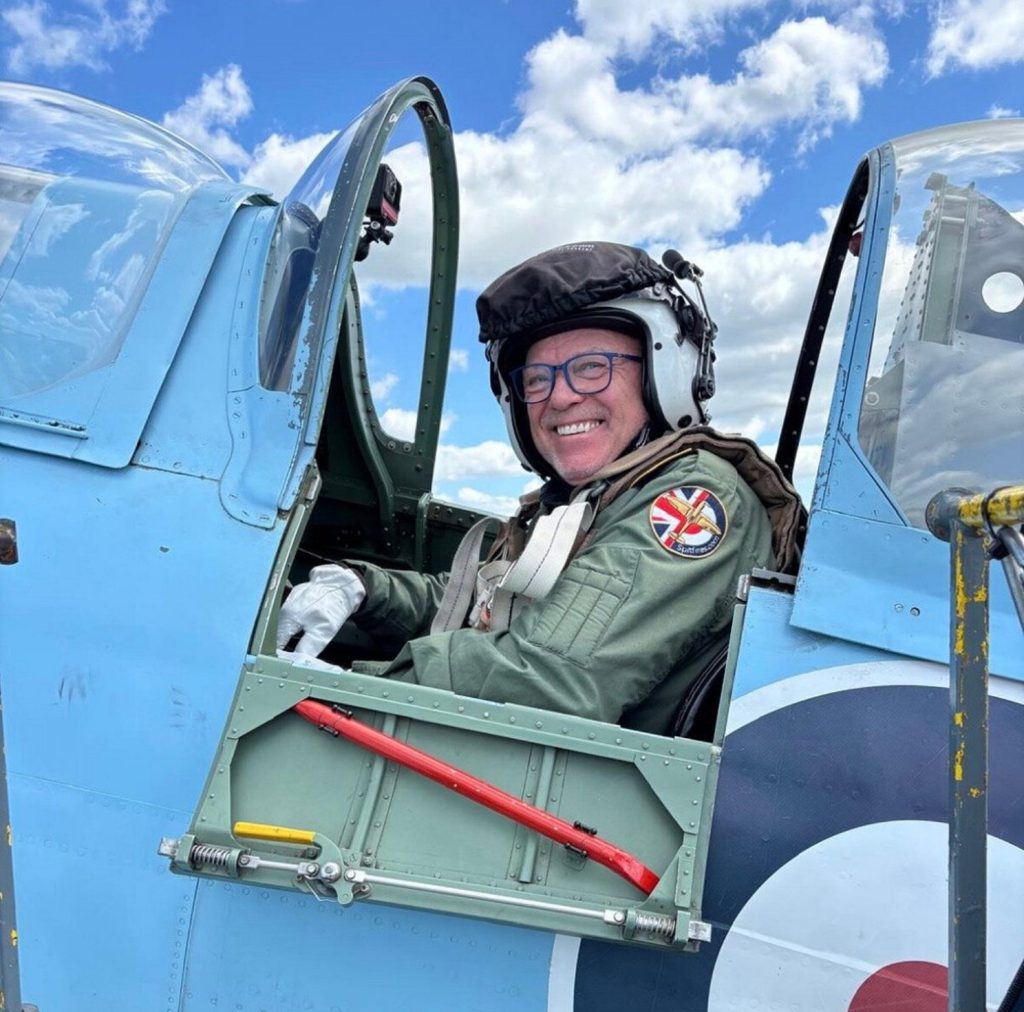
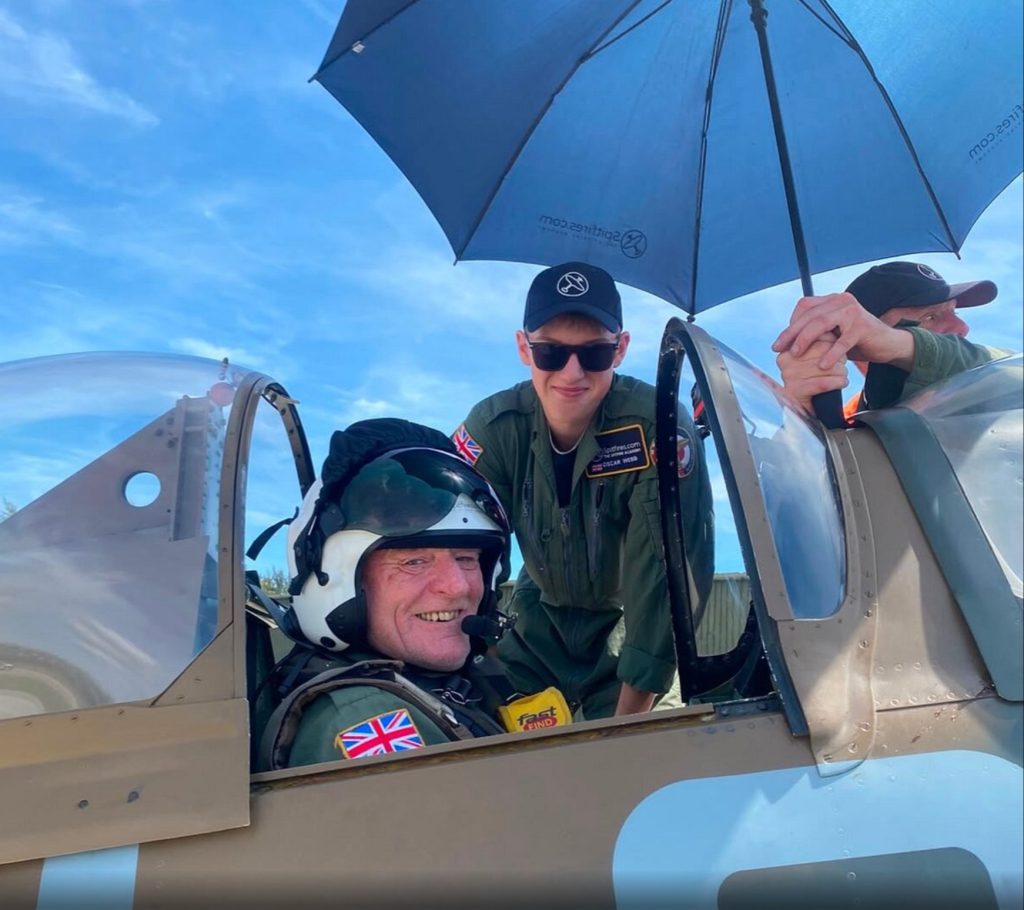
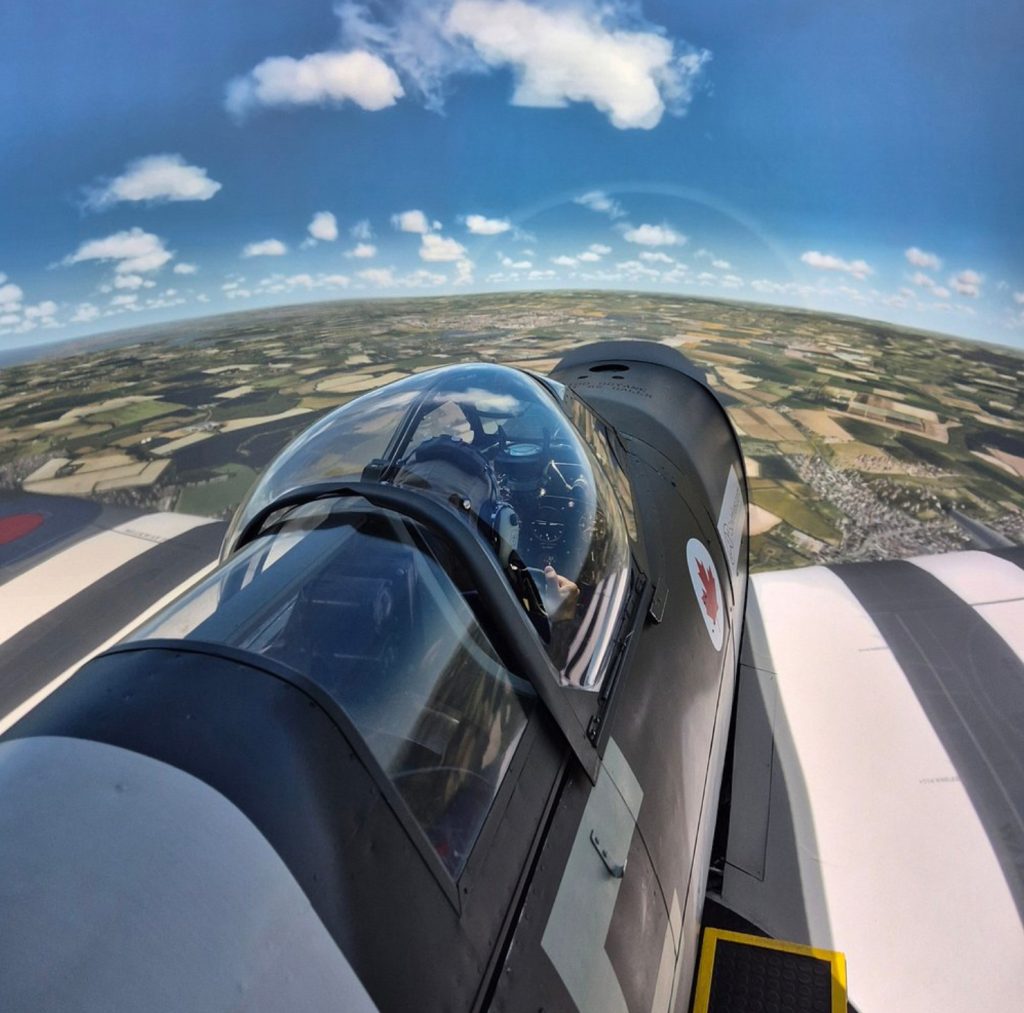
Where can I fly the Spitfire TR 9 – BS410?
You could be flying Spitfire BS410 from any of our 10 airbases across the UK. Here are the aircraft’s most common departure points.
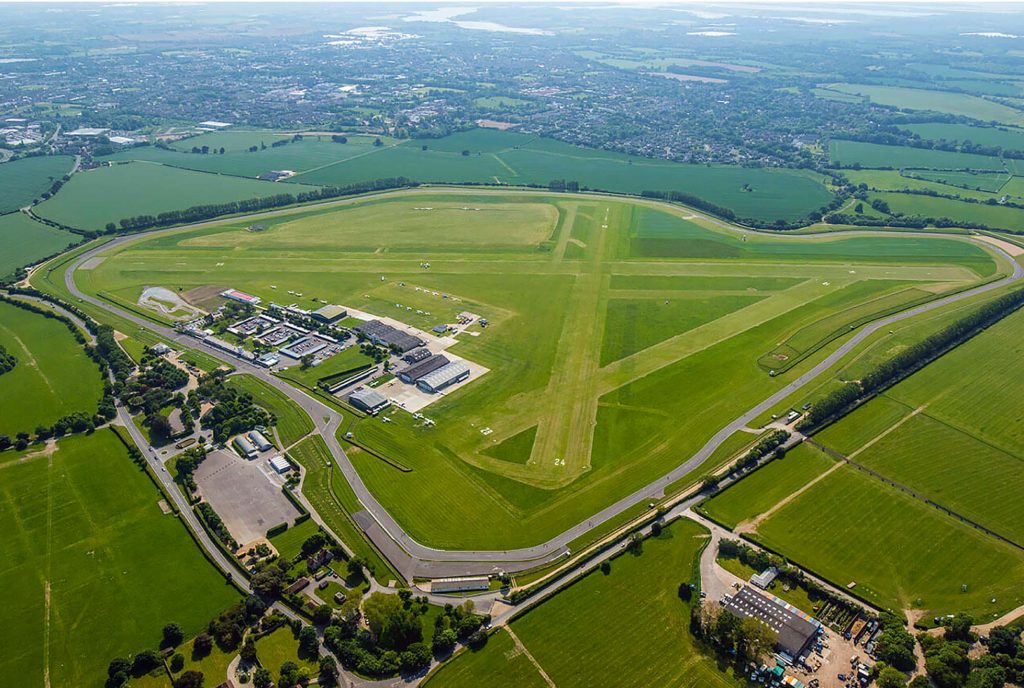
Goodwood
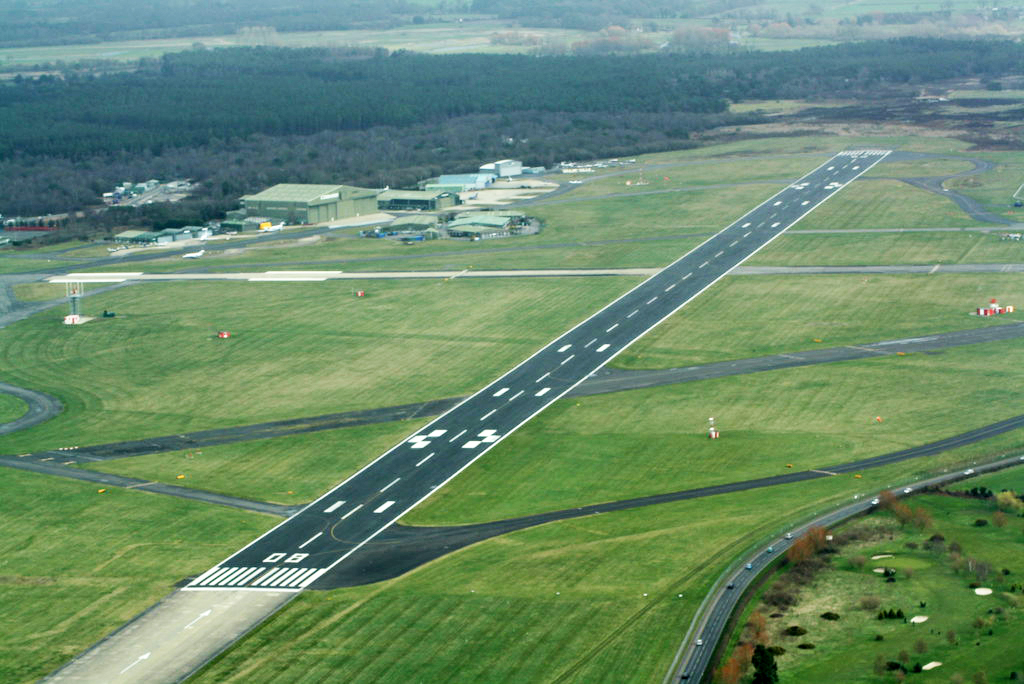
Bournemouth
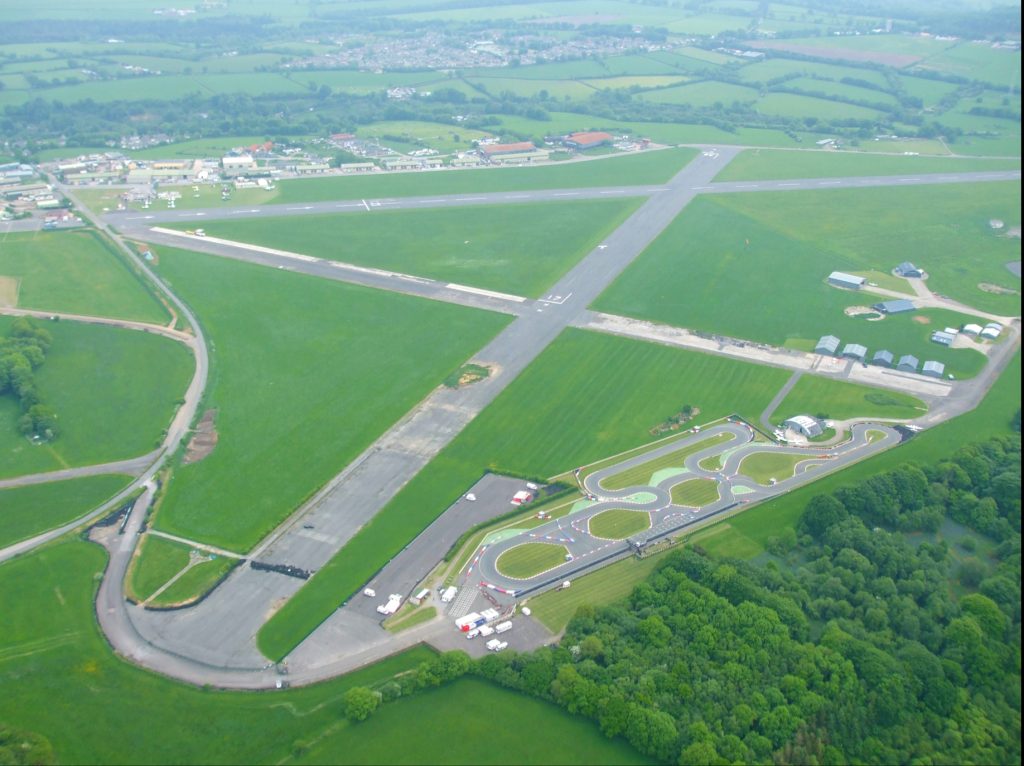
Dunkeswell
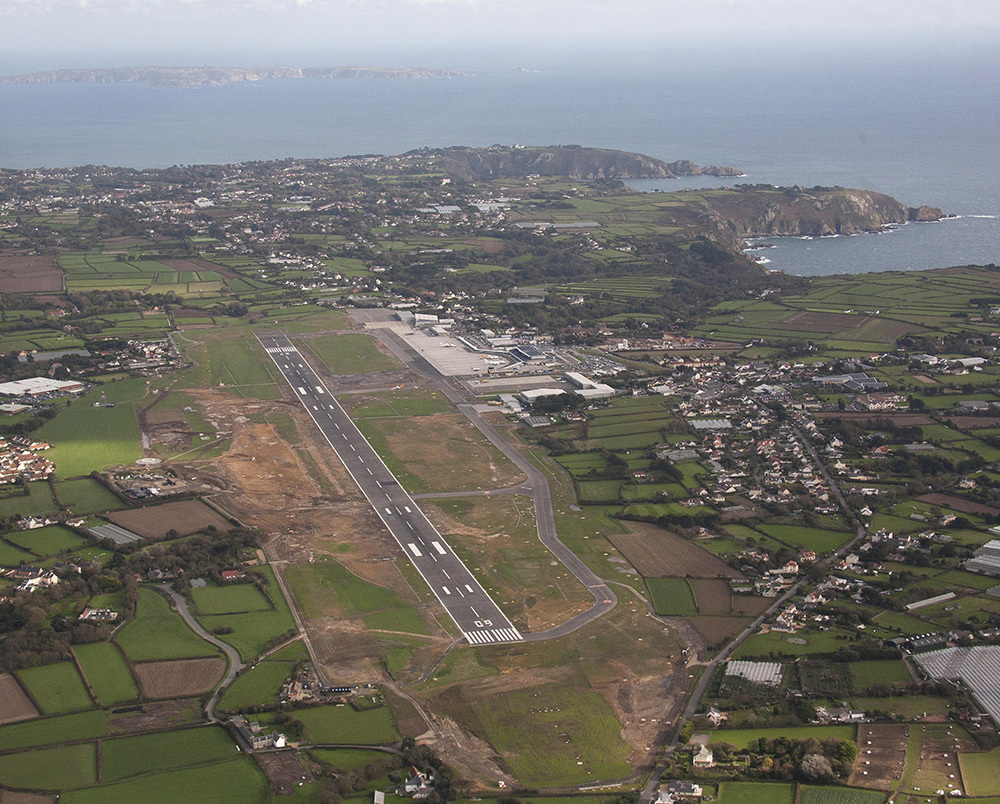
Guernsey
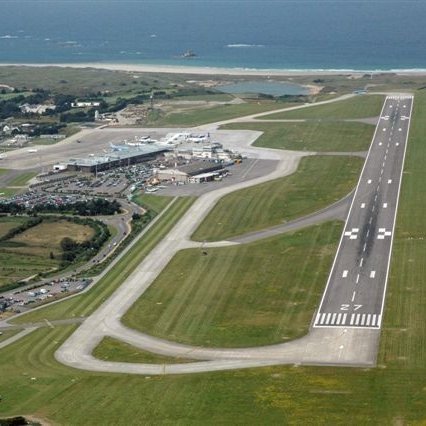
Jersey
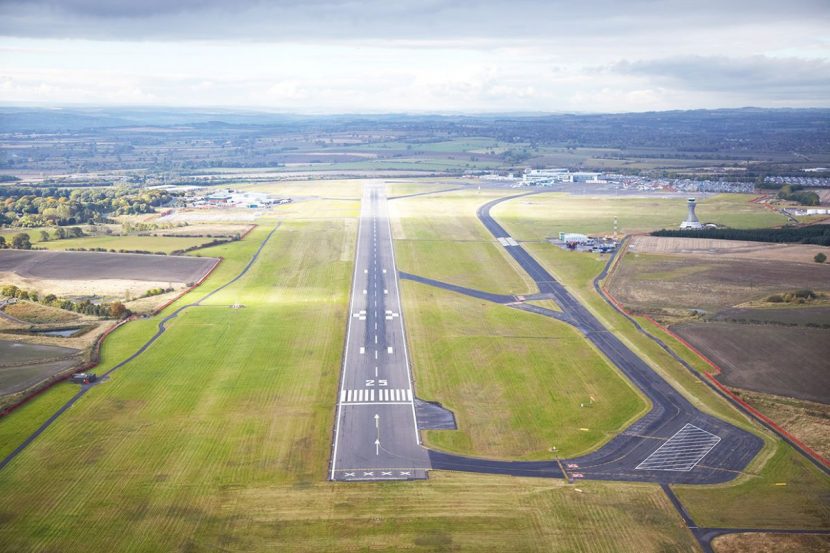
Newcastle upon Tyne
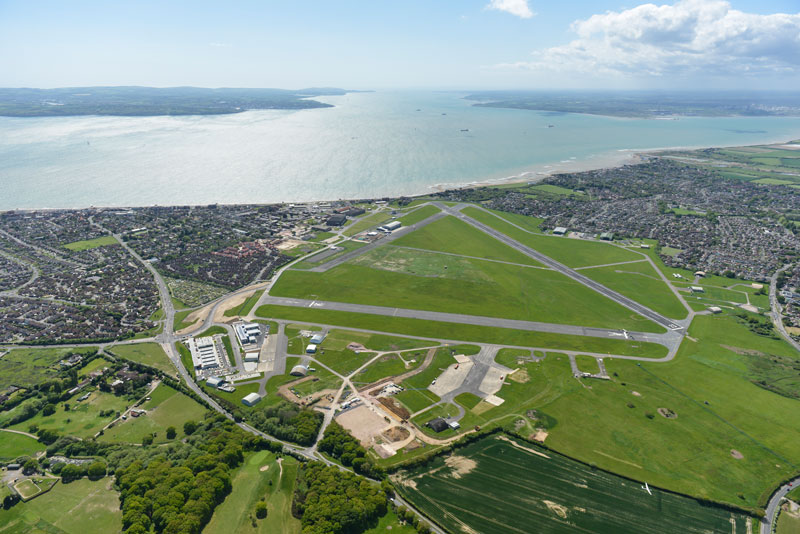
Lee-on-Solent
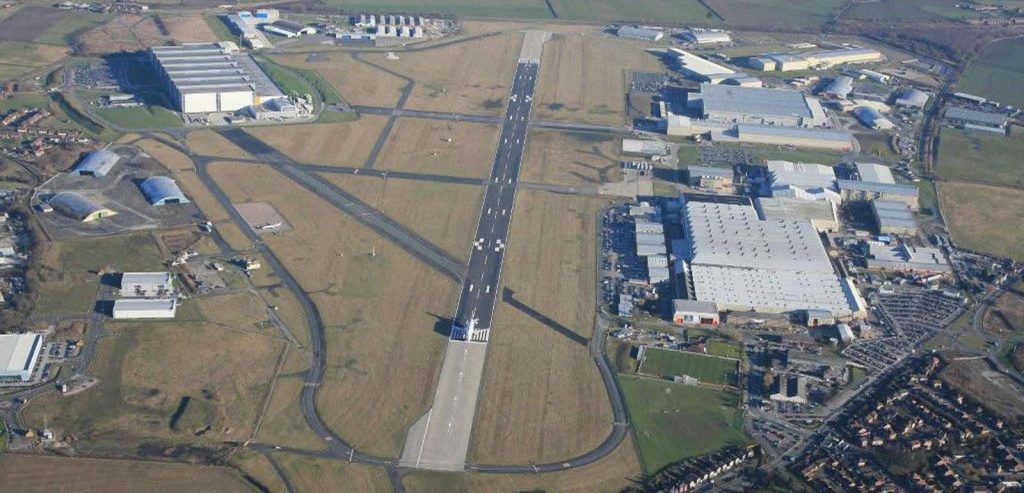
Hawarden
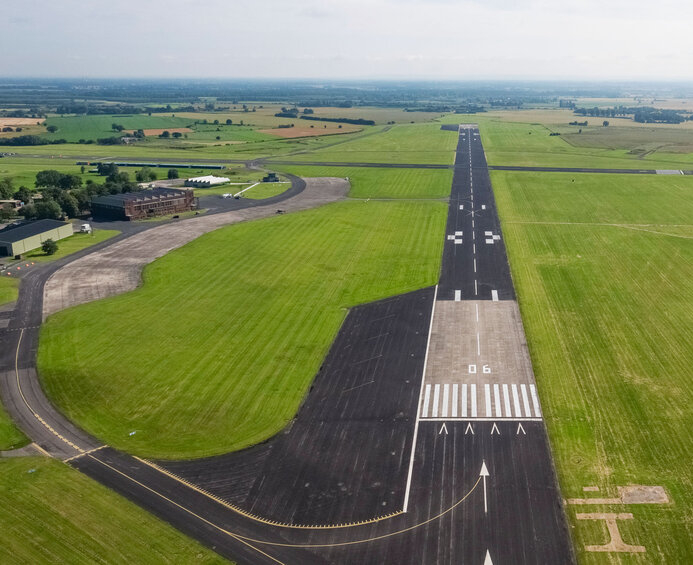
Leeds East
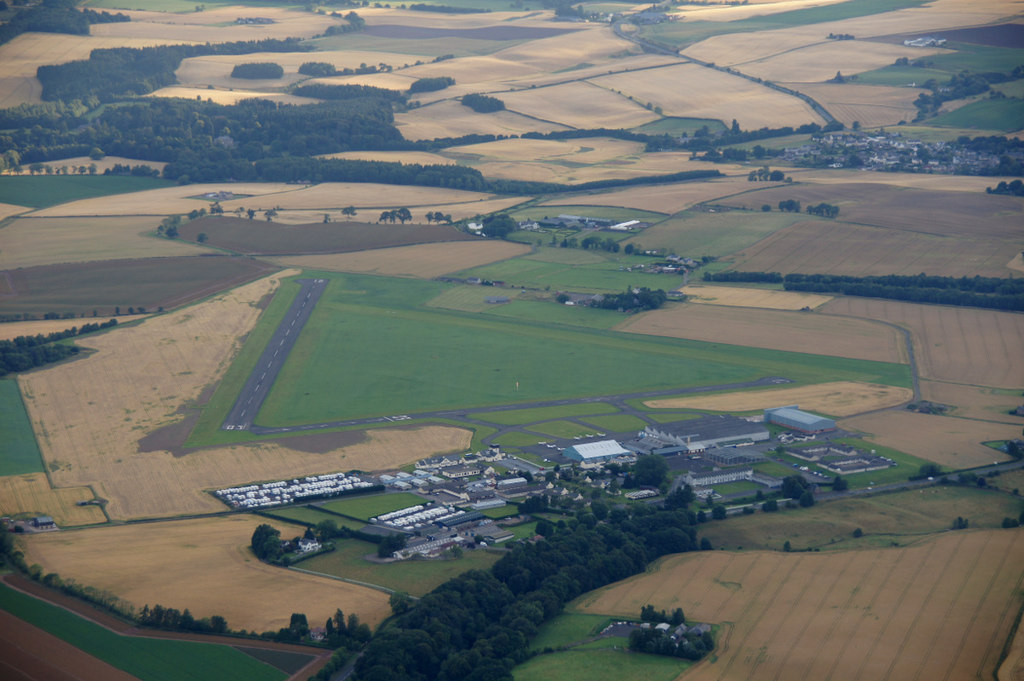
Perth
Book your Spitfire flight experience
Climb into BS410 and relive the proud history of one of the few surviving Battle of Britain Spitfires.