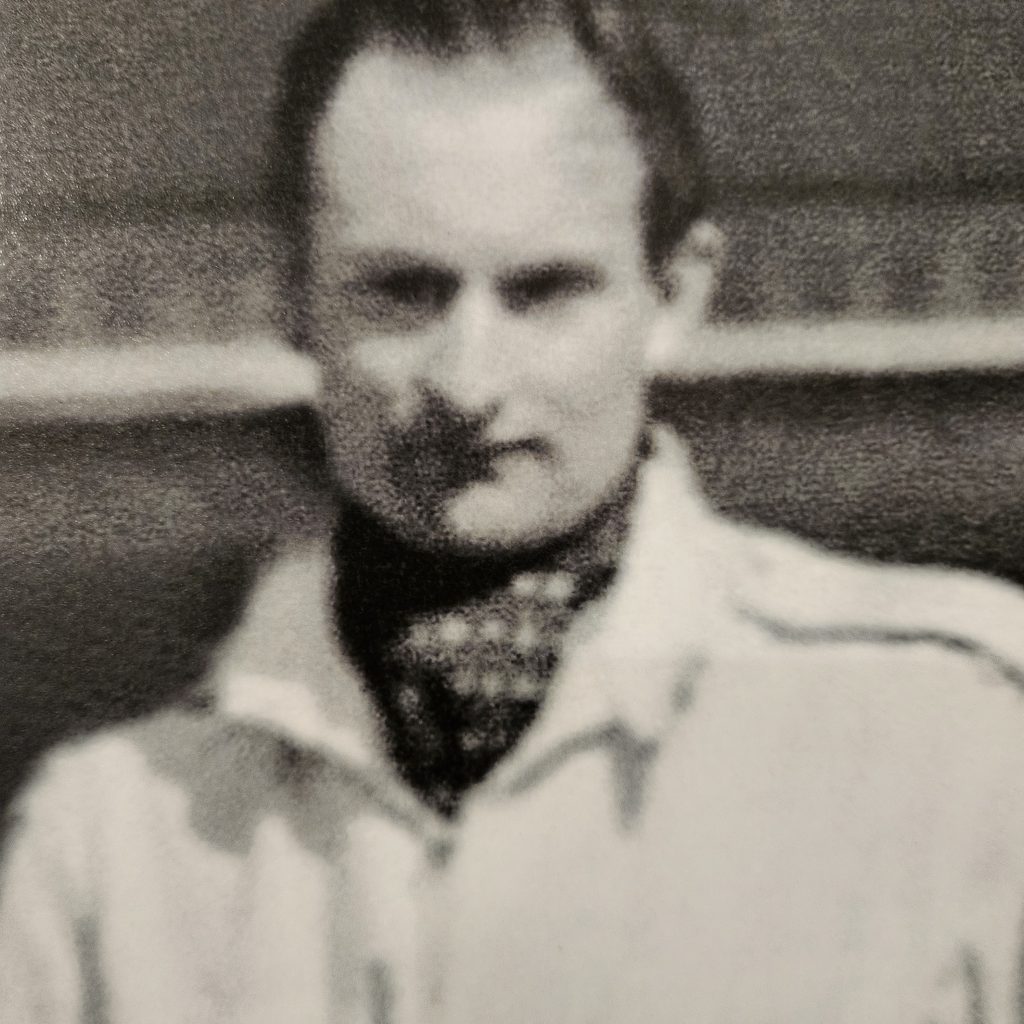
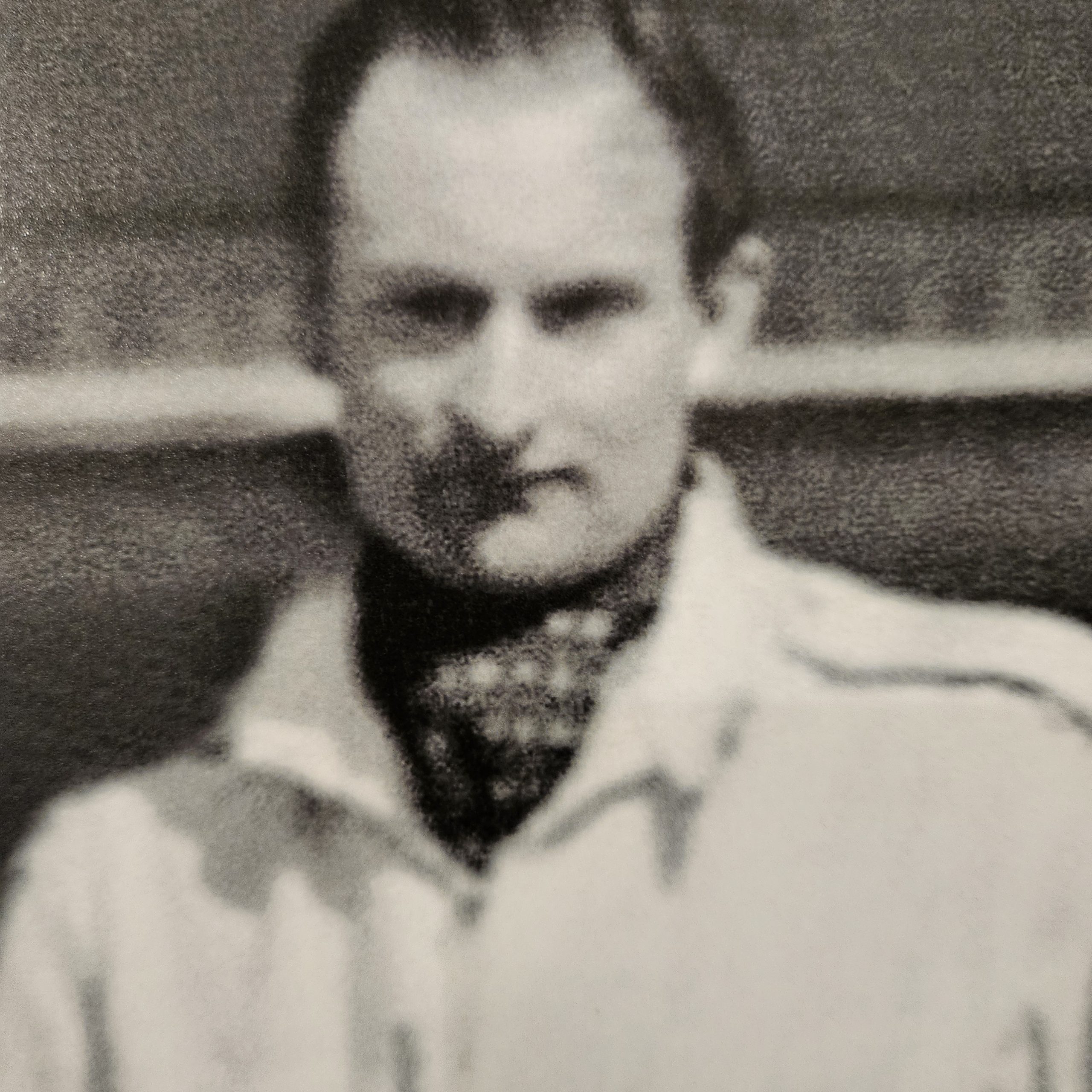
Gordon Neil Spencer Cleaver
How the fate of a Fighter pilot flying from nearby RAF Tangmere in the Battle of Britain, helped the sight of many millions of people! Spitfires.com investigate!
Spitfires.com is privileged to be able to operate out of what was previously a Battle of Britain airfield, now known as Goodwood. We are always keen to pass on our love, knowledge, and history of these iconic aircraft but also to be able to remember pilots and groundcrew who operated these Fabolous aircraft.
Some of the stories have connections and impacts on modern-day life, and this is one such story of a young fighter pilot, having an impact unwittingly helping the sight of people around the globe ever since his fateful combat with a Luftwaffe fighter over Hampshire in 1940.
Gordon Neil Spencer Cleaver
Gordon Neil Spencer Cleaver was born in Stanmore, Middlesex in 1910, and was educated at Harrow School. Cleaver joined the Auxiliary Air Force in 1937 serving with No. 601 Squadron RAF, also known as “The Millionaires’ Squadron”.
No. 601 Squadron was formed at RAF Northolt on 14 October 1925 when a group of wealthy aristocratic young men, all of whom were amateur aviators, decided to form themselves into a Reserve Squadron of the RAF after a meeting in White’s Club, London. The original officers were picked by the first commanding officer, Lord Edward Grosvenor, youngest son of Hugh Grosvenor, 1st Duke of Westminster.
The Squadron was initially known as “the millionaires squadron”, a nametag gained because of the reputation of their very ‘well-heeled’ young men. Most of these young pilots had little regard for the discipline of the regular service. They were well known for lining their uniform tunics with bright red silk and wore blue ties rather than the regulation black.
He was posted as part of the British Expeditionary Force with 610 squadron to operate Hawker Hurricanes from Merville, France in May of 1940. Cleaver had some success against a Dornier 17 near Mons but was later by to be hit by debris from a He 111 that attacked over Douai and he force-landed near Lille. 601 Squadron was then transferred back to the UK.
Active over Dunkirk on the 27 May 1940, he claimed two twin-engined Bf 110s. The start of the Battle of Britain heralded a busy period for the Hurricanes of 601 Squadron out of RAF Tangmere and ‘Mouse’ Cleaver next claimed a Stuka, Ju 87 destroyed and a Heinkel 111 ‘probable’ on 11 July. Shortly after he had success against a fighter with a Bf 109 destroyed on 26 July, a Bf 109 and a Bf 110 both claimed as probable on 11 August, followed by a Bf 110 probably destroyed on 13 August 1940.
On 15 August 1940, Cleaver was not so lucky and was severely hit by cannon shells all over his aircraft but specifically through the canopy. Perspex fragments were flying all around the cockpit and splintered into his face and eyes. Cleaver baled out and landed by parachute near Lower Upham outside Southampton. On arrival at Salisbury Hospital, it was discovered that he had been blinded in his right eye and had seriously reduced vision in the left. This ended his flying career.
Cleaver’s right eye was too badly damaged to save, but he underwent 18 operations to treat his facial wounds and restore some vision in his left eye. (His first comment, when he was visited by a squadron mate, was “Jack, tell them all to wear their goggles.”)
Why did he make this comment?
If you look at the basic needs of any aircrew, the flying clothing would ideally be comfortable, warm, and not restrict the ability to fly the aircraft. Ideally, flying helmets would offer a degree of protection from noise and prevent injury during a crash or whilst performing combat manoeuvres. You want an oxygen mask that delivers oxygen but also has a microphone for communication but also might offer some protection from fire.
Goggles should help keep the eyes clear from dust and contaminants and offer some protection against the sun, whilst being optically as good as possible and not restricting the view. Hopefully, the kit would give some protection also against burns should the aircraft catch fire post-crash or during combat.
Sadly, the kit issued to the RAF during the Battle of Britain was not up to much, the Mk III goggles issued to cleaver were of substandard manufacture and not really fit for purpose. They had celluloid lenses which scratched easily, were not optically perfect and offered no protection against fire. That day cleaver had decided not to wear his goggles, not that they would have stopped much, the earlier Mk II goggles were glass lenses and would have offered his eyes better protection. Later goggles returned to being glass due to the problems encountered but they were still cumbersome really up until the Mk VIII goggles.
He was examined repeatedly by one Dr. Ridley, who made a stunningly counterintuitive discovery.
A groundbreaking procedure
Other than damaging the lens, the plastic splinters in Cleaver’s left eye had no effect on his sight, and his body made no attempt to reject them. This nudged Ridley into thinking about using a plastic lens to replace the natural one removed during cataract surgery.
On November 29, 1949, Ridley implanted the world’s first interocular lens. Sadly, instead of embracing the groundbreaking successful procedure, the medical establishment ridiculed Ridley and rejected the lenses. It wasn’t until the 1980s that these implants became commonplace; Today over 20 million such operations are performed annually.
In the end, Ridley got what he deserved — recognition for the medical innovation he discovered. He was eventually knighted for said contribution.
Cleaver was awarded the Distinguished Flying Cross which now resides proudly in display at Tangmere Military Aviation Museum, just down the road from Spitfires.com in West Sussex:
‘Flying Officer Gordon Neil Spencer CLEAVER (90135), Auxiliary Air Force. This officer has been engaged in operational flying since December 1939. He participated in numerous offensive patrols during operations in France and the Dunkirk evacuation. Flying Officer Cleaver has now destroyed seven enemy aircraft and possibly another two. In August 1940, whilst his base was being subjected to intense bombing, he led his- section with great determination and courage and after destroying one of the attacking aircraft he was severely wounded in both eyes. Despite this, he refused to abandon his aircraft and effected a successful landing. He has displayed great determination and devotion to duty.’

Comments